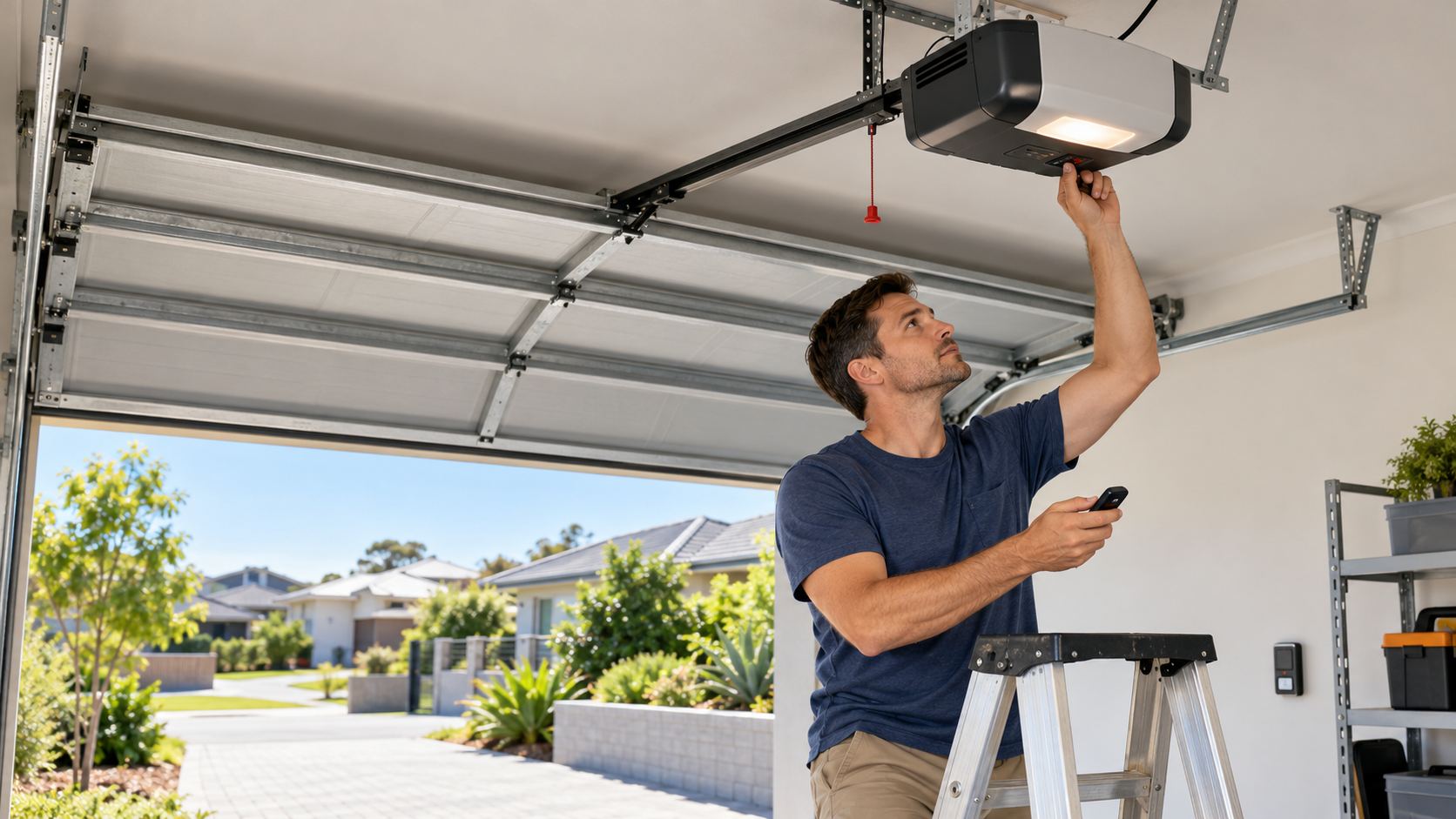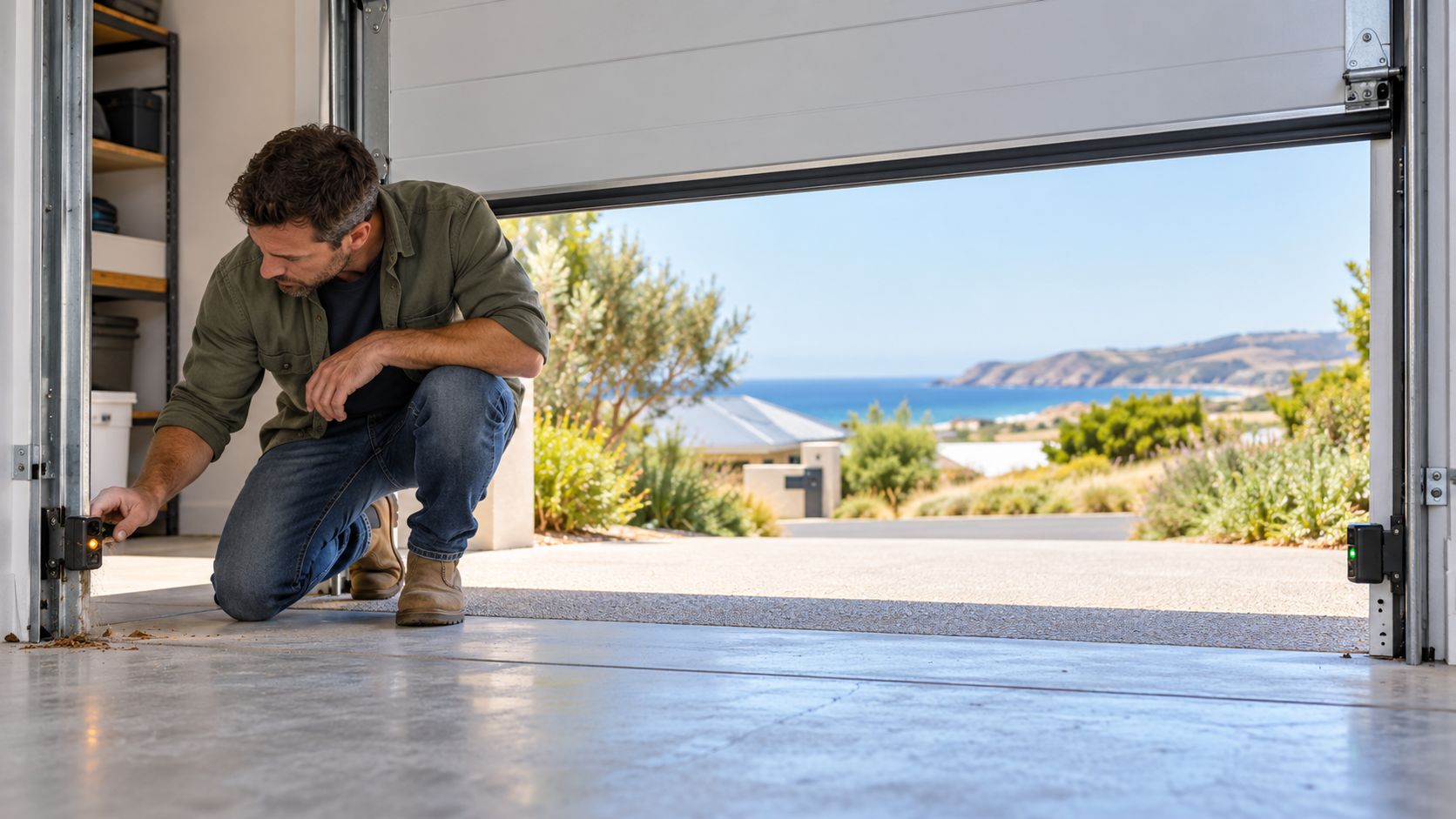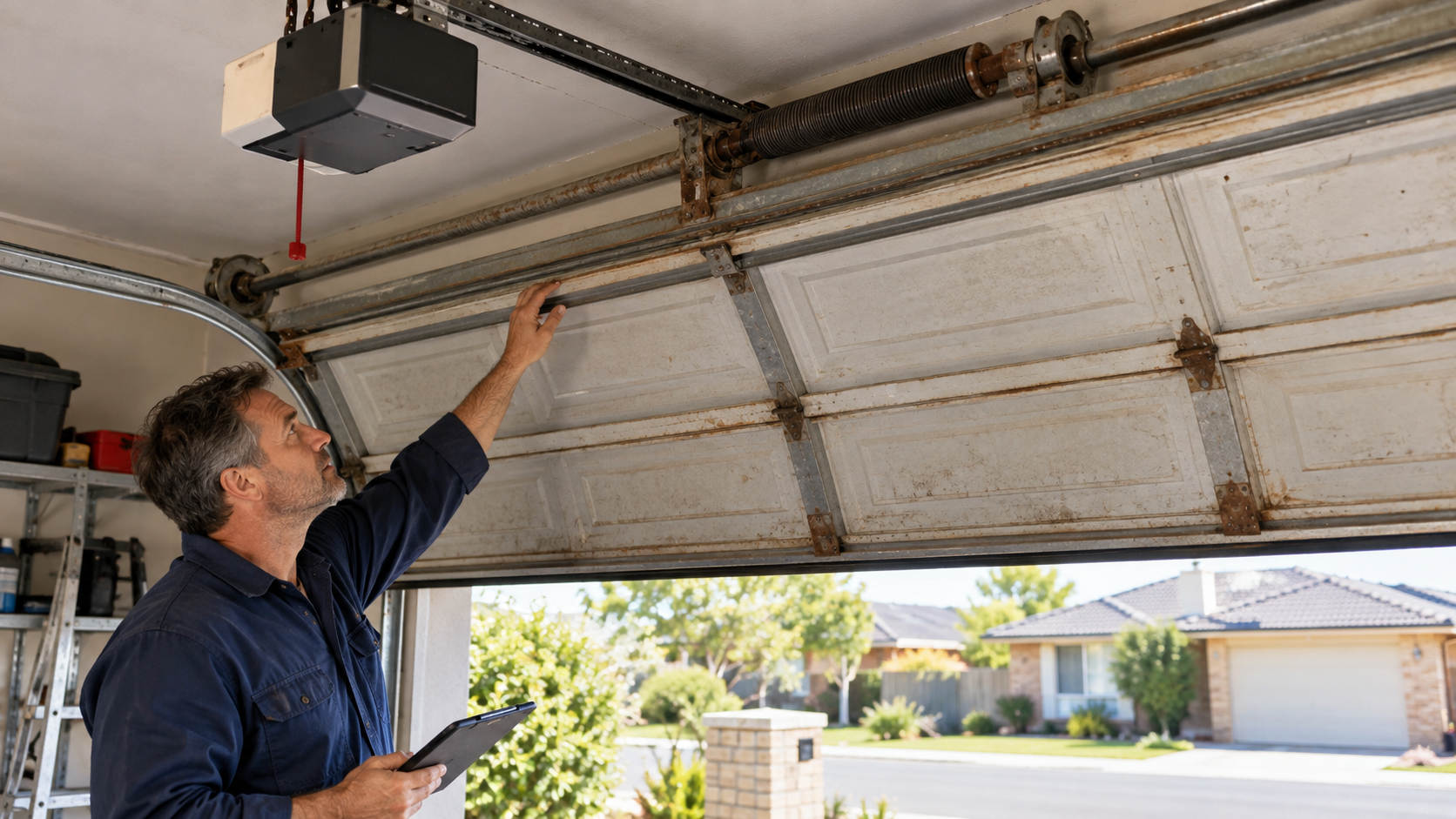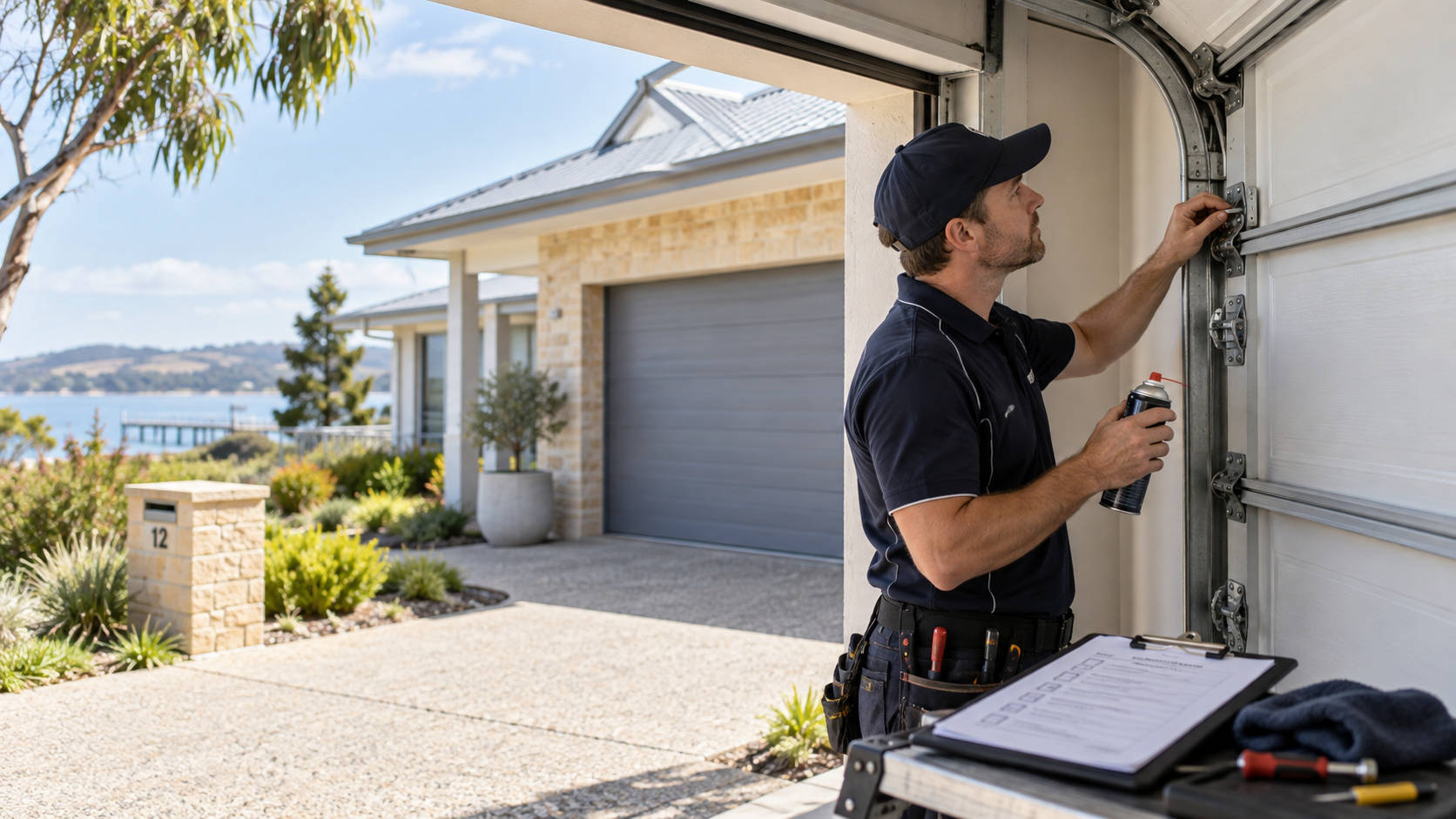

Did you know poor commercial garage door maintenance could affect your insurance claim?
Unfortunately, more and more claims are being denied. In 2025, the Australian Financial Complaints Authority (AFCA) received 111,373 complaints, with claim denials ranking fourth, up 32% from the previous year.
For many properties in Adelaide suburbs and the Fleurieu Peninsula, commercial garage doors are essential for daily operations. They open for deliveries, close for security, and help staff move stock efficiently. But with all that use comes wear and tear, often unnoticed until it’s too late.
Many business owners expect their commercial garage door insurance to cover any damage once a door fails. However, policy terms don’t always work in your favour. If an insurer determines the fault is due to poor maintenance, your claim could be reduced or outright refused.
This article explains why regular commercial garage door maintenance is critical, what insurance might exclude, and how proper documentation can strengthen your claim.
Why Commercial Garage Doors Require Regular Maintenance
Commercial garage doors face much more strain than residential ones. Whether it’s a warehouse roller door, workshop shutter, or service bay door, these systems often cycle many times a day.
With heavy panels, strong springs, moving tracks, and powered motors, these doors endure constant stress. In South Australia, dust, heat, wind, and coastal salt air can exacerbate wear and tear.
Common parts needing maintenance include:
- Springs: Over time, springs lose tension and can snap, leading to a sudden failure. Regular checks prevent costly breakdowns.
- Rollers: These can crack, seize, or become misaligned. Proper maintenance provides smooth movement and reduces friction.
- Tracks: Continuous use can cause tracks to shift out of line, making the door harder to operate. Regular checks keep everything aligned.
- Motors: If a door becomes stiff to move, the motors may overheat and fail. Making sure the motor runs smoothly helps you prevent breakdowns.
Commercial garage door maintenance is critical since high-use parts wear faster. Servicing includes checking the balance, track alignment, fixings, safety devices, and motor performance.
Proactive maintenance reduces the risk of breakdowns, unplanned downtime, and costly accidents. In 2024, workplace incidents caused 188 fatalities and 146,700 serious compensation claims. By keeping your commercial garage doors in top condition, you protect your workers and minimise legal risks.
What Is Commercial Garage Doors Insurance
Commercial garage doors insurance is usually part of a broader business property policy. It typically covers sudden and accidental damage, storm events, vehicle impacts, break-ins, fires, or other external incidents listed in the policy. In short, insurance covers losses that are unexpected.
What policies often exclude:
Neglect or Lack of Maintenance
If damage happens because you did not keep the door in good working order, your insurer may reject the claim. They generally expect you to service and inspect the door as part of normal upkeep.
Gradual Wear and Tear
Most policies do not cover damage that builds up over time through everyday use. If parts wear out slowly, that is usually treated as a maintenance issue rather than an insured event.
Filing an insurance claim for your commercial garage door can be tricky if the damage worsens gradually. Many insurers exclude faults from poor upkeep, failure to follow manufacturer recommendations, or a lack of servicing.
Some may even ask for service history, inspection notes, invoices, or photos to verify that you took steps to maintain the door. Insurance covers the unexpected; it’s not designed for issues that could have been avoided with routine care.
How Poor Maintenance Can Void Your Insurance Coverage
Poor commercial garage door maintenance can affect your claim in two ways. First, the insurer may refuse to cover the failed part itself. Second, they may question any related damage if it stemmed from a fault you left unresolved.
Examples of maintenance-related claim rejections:
- Broken Springs: If your springs haven’t been serviced regularly, they can snap under pressure, leading to a denied claim.
- Motor Failure: Prolonged wear from lack of maintenance can cause the motor to burn out, which insurers may not cover.
- Structural Damage: If ignored, faults lead to bigger issues, like structural damage. Your commercial garage door insurance claim may be rejected for neglecting necessary maintenance.
Common Commercial Garage Door Issues Linked to Neglect
Neglect often starts with small signs. The door may rattle, hesitate, or jerk slightly. You might notice it opens more slowly in the morning or requires a second press on the remote. You need to watch out for these signs because commercial garage doors rarely fail without warning.
Frequent issues caused by poor maintenance include:
- Noisy or Jerky Door Movement: A noisy door often points to misalignment or a lack of lubrication, which can lead to further damage if ignored.
- Misaligned Tracks: Tracks that shift over time can cause the door to become uneven or jammed, affecting its performance.
- Worn or Damaged Rollers: Overuse can cause rollers to crack, seize, or break, leading to jerky or slow door movement.
- Slow or Unresponsive Motors: Motors under strain can slow down or fail, often due to a lack of regular maintenance.
Regular commercial garage door maintenance helps catch these problems early. A noisy door might only need adjustment and lubrication, but if left unchecked, it can lead to motor strain, track damage, or even panel distortion. Fixing small issues early is often cheaper than dealing with the larger damage they can cause later.
The Importance of Maintenance Records for Insurance Claims
For commercial garage doors insurance, paperwork can be just as important as the fault itself. Insurers may ask when the door was last serviced, who completed the work, what parts were replaced, and if any earlier defects were noted. Without these records, it’s harder to show that you’ve maintained the door properly.
Useful documents include dated invoices, service reports, photos, inspection checklists, and repair notes. A well-organised file can support your insurance claim for a commercial garage door. It proves the damage was sudden, not due to long-term neglect.
It helps even more if the reports include balance tests, motor checks, track alignment, and safety device testing. Solid records can speed up the process and reduce back-and-forth with insurers.
Best Practices for Commercial Garage Door Maintenance
Good commercial garage door maintenance provides safer operation and fewer breakdowns. It also strengthens your position if you ever need to lodge an insurance claim. For commercial garage doors, planned care is much easier to manage than dealing with emergency failures.
Here are the steps you should take to keep your doors in top shape:
- Arrange professional servicing at least once a year. High-cycle doors may need checks every six months.
- Perform basic visual checks between services. Look for loose bolts, damaged rollers, unusual noise, bent tracks, slow movement, or delayed motor response.
- Lubricate moving parts as per manufacturer guidelines.
- Report minor faults as they emerge.
- Keep all repair and service documents organised in one place.
Good commercial garage door maintenance provides safer operation and fewer breakdowns. It also strengthens your position if you ever need to lodge an insurance claim. For commercial garage doors, planned care is much easier to manage than dealing with emergency failures.
When to Call a Professional for Commercial Garage Door Issues
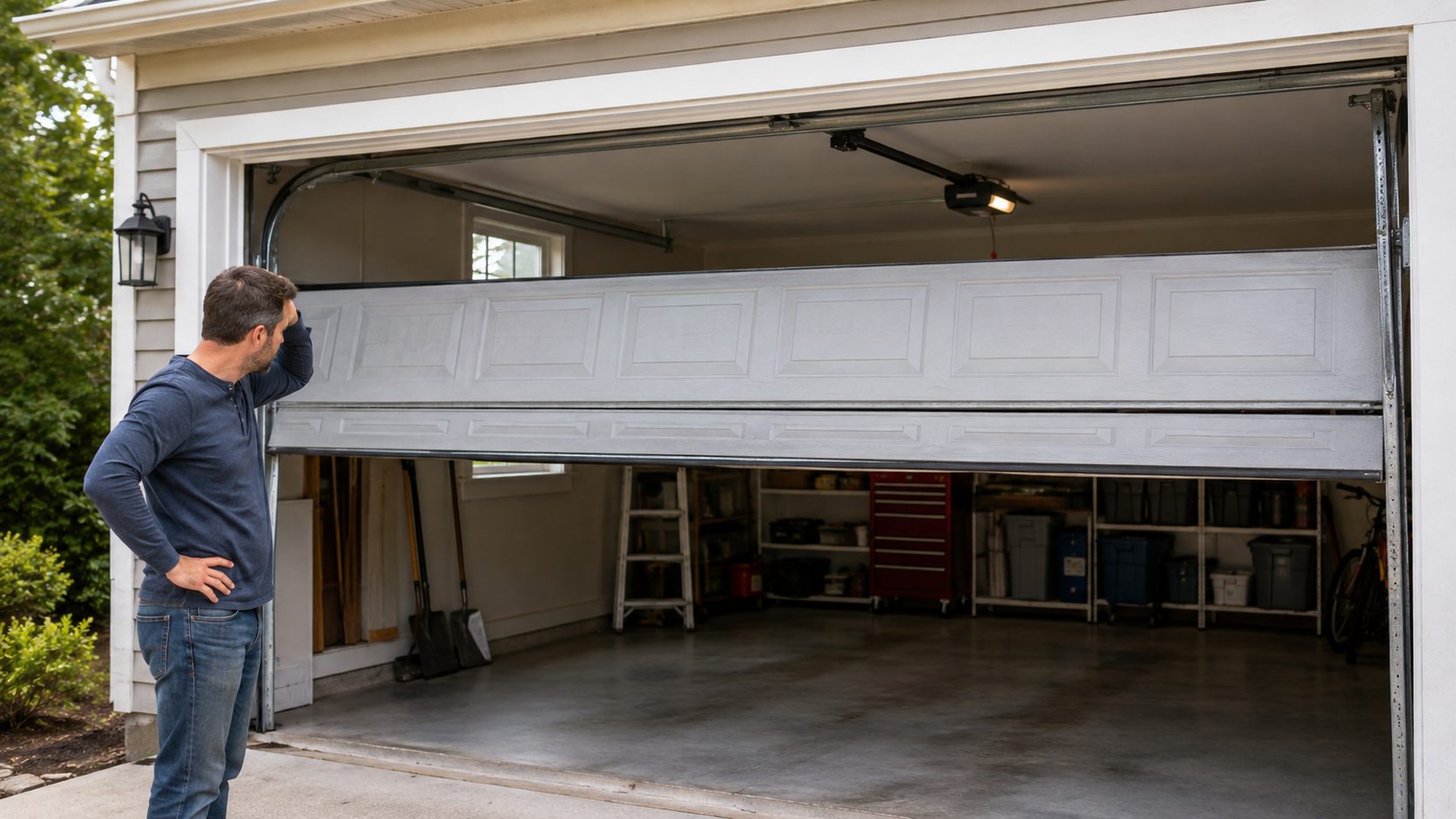
Some commercial garage door issues require immediate professional attention. If you notice persistent grinding, shaking, uneven travel, or a door that stops midway, act quickly. DIY repairs on parts like springs, cables, tracks, and motors can be risky and may lead to injury or further damage.
Here’s when you must call a professional:
- Grinding, shaking, or jerky movement should be addressed right away.
- If the door stops midway, it may indicate a serious issue that needs professional repair.
- Difficulty in opening the door or a delayed response is a sign of potential malfunction.
- A door that drops too fast or becomes unresponsive could indicate a failure in safety mechanisms.
- Problems with springs or cables require expert handling due to the force they store.
- Issues with tracks or motors can lead to more extensive damage if not fixed promptly.
- A professional should address any concerns about compliance with current safety standards.
Professional commercial garage door maintenance provides safe adjustments and correct fitment, while also helping prevent disputes with insurance claims. More importantly, early repair can help reduce downtime and prevent further damage, protecting your investment.
Final Thoughts: Protect Your Business and Your Coverage
Regular care keeps commercial garage doors safer, more reliable, and easier to insure. Insurance may help after storm damage, impact, or another sudden event. However, you risk being denied your claim if poor upkeep caused the failure. That’s why regular commercial garage door maintenance and keeping clear service records matter so much.
For many properties in Adelaide suburbs and the Fleurieu Peninsula, a proactive routine protects more than the door itself. It protects your staff, stock, trading time, and the strength of any future claim. Rest assured, Filip’s Garage Doors will help you maintain your doors in excellent condition.
Established 8 years ago by Filip and Kelly Kulinicz, our team helps many businesses like yours fix small faults early, keep records, and treat maintenance as part of normal risk control. Contact us or call 08 8555 4269 now to schedule an inspection.