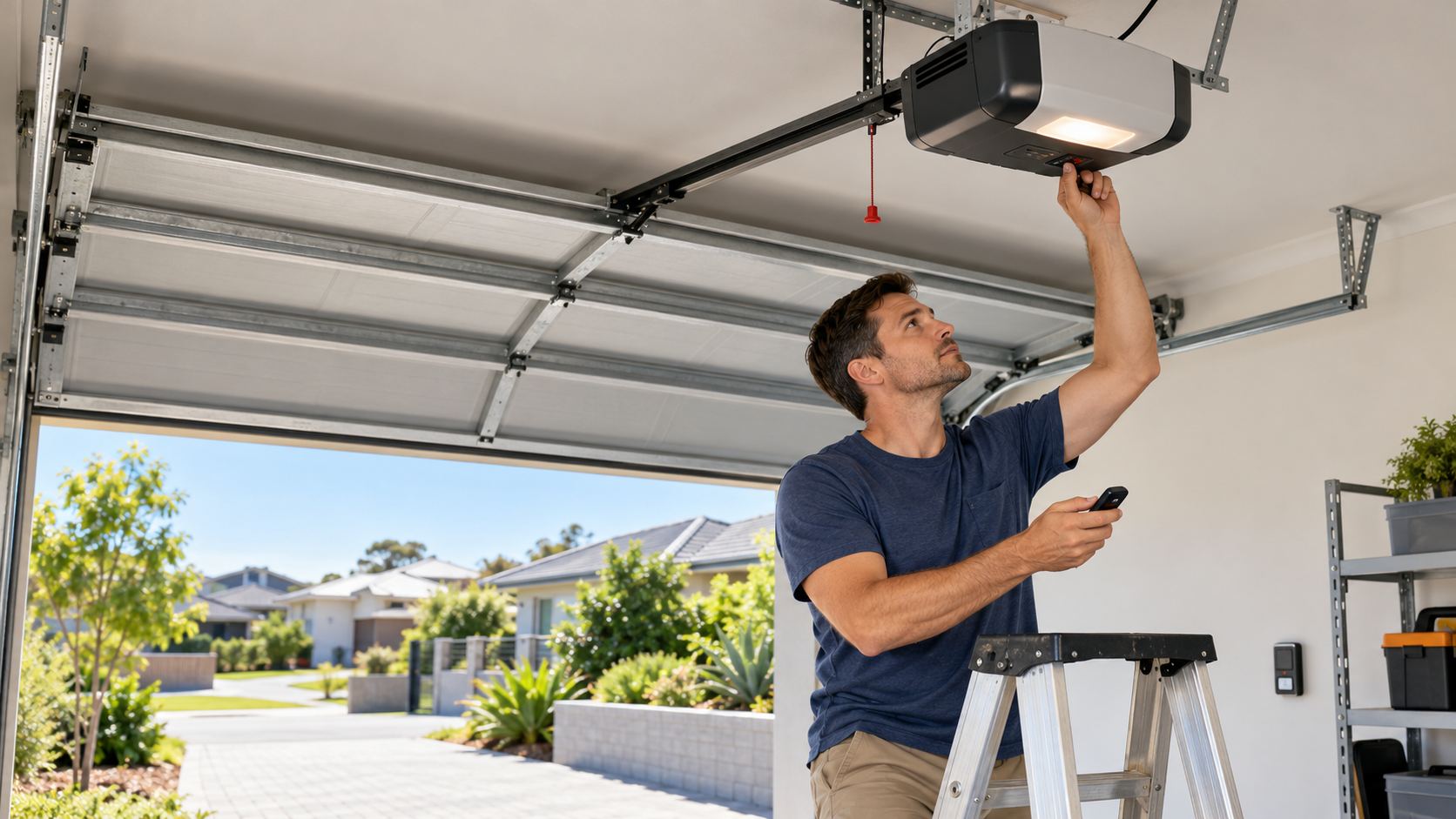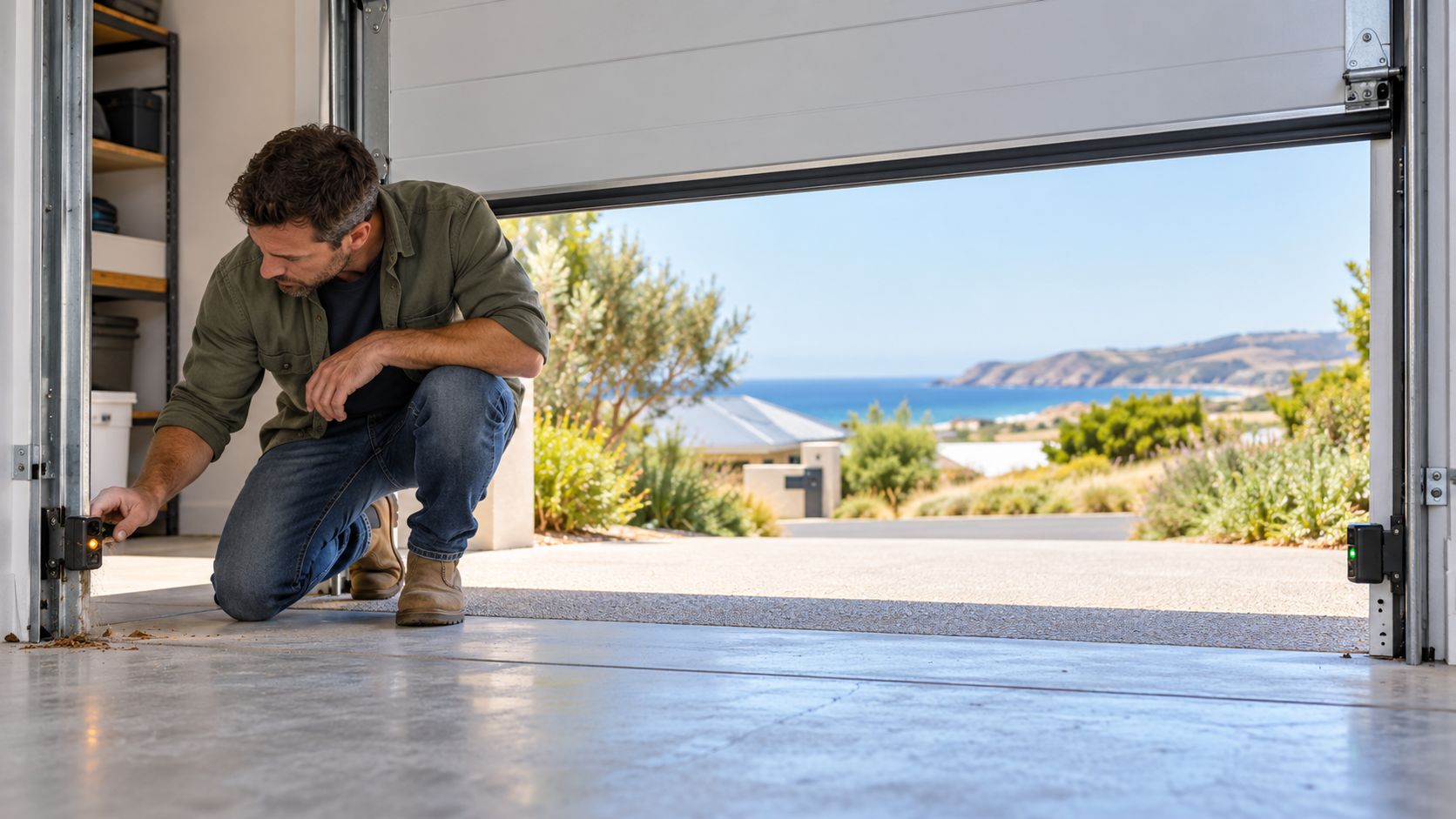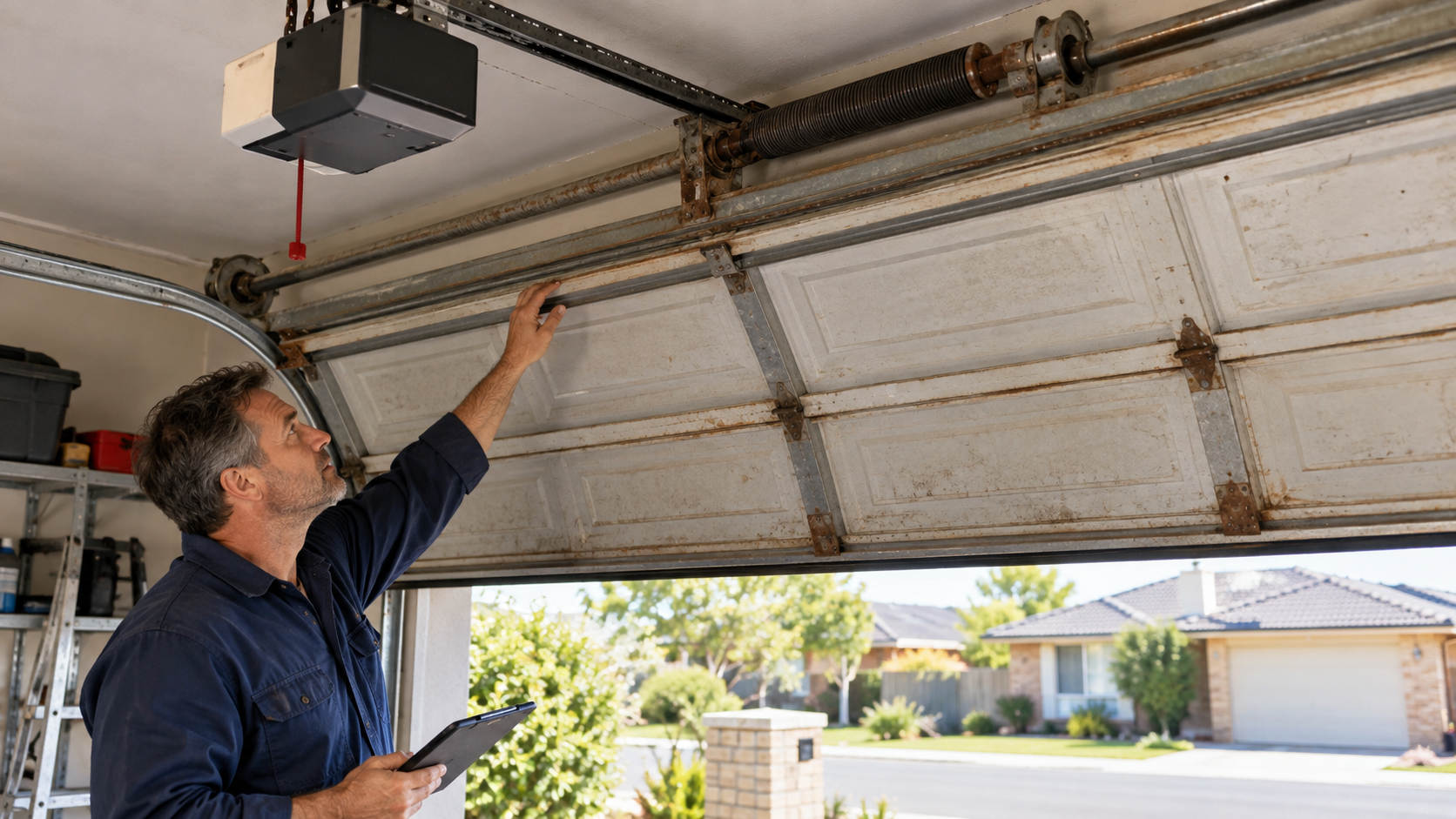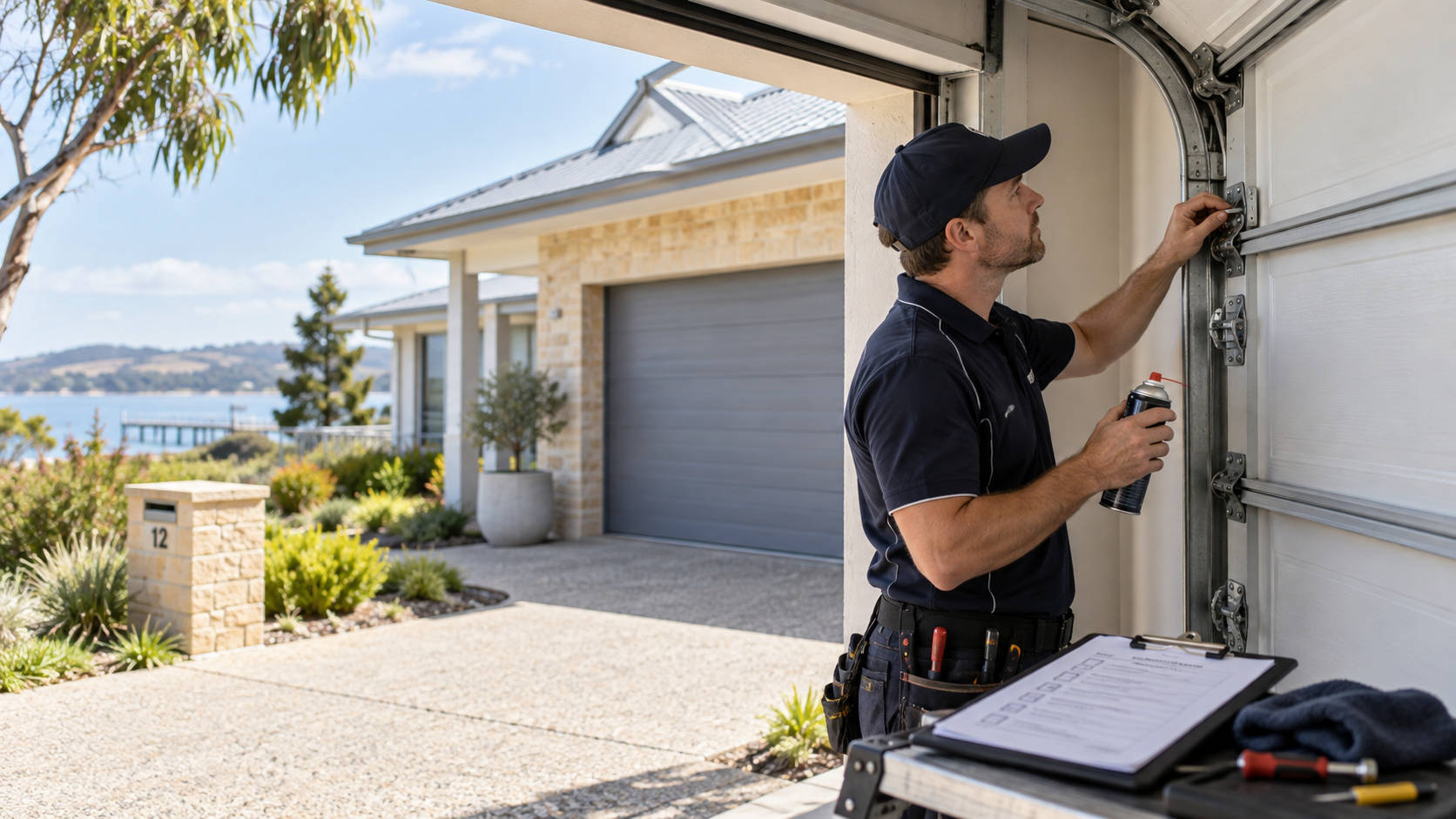

Let’s face it, mate – no one likes dealing with water, dust, or pesky critters invading our space. Especially when it comes to our business premises, keeping these unwanted elements out is crucial. So, if you’ve got commercial garage doors, it’s worth making sure they are sealed up tight and proofed against pests. In this guide, we’ll cover the importance of weather seals and pest-proofing for commercial garage doors. These small upgrades can have a remarkable impact on the upkeep of your space and its efficiency. Let’s get into it!
The Importance of Weather Seals
In South Australia, we might not have the most extreme weather on the globe, but from torrential rain to hot, dry winds, our climate can certainly throw a few curveballs. Without proper weatherproofing, these elements can make their way inside your commercial space via the garage doors, leading to damage, increased energy costs, and a less-than-ideal work environment. But, with a simple installation of weather seals, you can protect against these issues.
How Weather Seals Work
Weather seals are essentially barriers that run along the edges of your garage doors. They are crafted from materials like rubber or vinyl, which are excellent at keeping water, dust, and air out. When installed properly, these seals can block out draughts, prevent leaks, and even reduce noise. All of this contributes to a more controlled indoor climate and better protection for any sensitive goods you might be storing – a win-win situation.
Pest-Proofing Your Commercial Garage Doors
Pests – they might be small, but the chaos they cause can be huge. From rodents to insects, creating an impenetrable barrier against these nuisances should be a priority in any commercial establishment. Here’s where pest-proofing comes into play.
Creepy Crawlies, Begone!
I know, no one enjoys the idea of mice or bugs finding their way into storage spaces or work areas. Unfortunately, door gaps and cracks in old weather stripping are like welcome signs for these critters. Investing in new seals and maintaining them regularly can keep these uninvited guests out. A well-sealed garage door acts as a fortress, preventing pests from exploiting entry points.
Choosing the Right Products
Not all weather seals and pest-proofing products are created equal. For a robust protective setup, consider commercial-grade seals. These products offer increased durability and are designed to handle the demands of an active business setting. From brush strips for keeping out insects to seals designed to deter rodents, there are solutions tailored to various pest problems. Look for specific features like flexible weather strips and durable bottom bars that optimize your door’s security.
Additional Benefits of Sealing and Proofing
Energy Efficiency
Besides keeping the elements and pests outside where they belong, weather seals can significantly improve the energy efficiency of your facility. By blocking draughts and maintaining a stable indoor temperature, you can reduce the strain on heating and cooling systems, ultimately lowering those energy bills. Over time, this could amount to considerable savings, which is always a plus.
Enhanced Security
Your commercial garage door is often the first line of defence against theft and vandalism. A well-sealed and properly maintained door not only keeps pests and weather out but also enhances the security of the building. Weather seals might not stop a thief, but a strong door with no visible gaps is certainly less inviting than one that appears neglected. Pair seals with high-security locks and heavy-duty construction to fortify your space.
Regular Maintenance: A Key Practice
Just like any part of your facility, your automation garage doors need care and attention. Regular maintenance can extend the life of your seals and the door itself. It’s a good idea to inspect the seals for wear and tear. Replace them as needed to ensure ongoing protection against the elements and pests. Routine checks also include lubricating tracks, ensuring that all hardware is in good shape, and confirming proper operation of moving parts.
Finding the Right Fit for Your Commercial Garage Door
Choosing the right weather seals and pest-proofing methods often depends on the type of commercial garage door you have. Here’s a quick rundown of the most common types and considerations for each:
Sectional Doors
Sectional overhead doors are widely used in commercial settings, particularly in high-traffic areas like loading docks. Tough and durable, they benefit significantly from the addition of weather seals. Look for insulated options to maximise thermal isolation, and consider including window strips for visibility and aesthetics.
Roll-Up and Rolling Doors
Roll-up doors are compact and efficient, making them ideal for facilities with limited overhead space. Given their design, properly sealing the edges and integrating flexible weatherstrips are crucial steps in bolstering their effectiveness. They are sturdy and ideal for locations where security and durability are priorities.
High-Cycle Doors
High-cycle doors are about as tough as they come, designed to withstand countless cycles of use. Their robust nature requires equally durable seals and pest-proofing measures that can match the demands of frequent operation.
Conclusion
Taking the time to invest in weather seals and pest-proofing for your commercial garage doors can safeguard your space from the often overlooked threats of natural elements and uninvited critters. By implementing these small upgrades, you can protect your commercial facility, improve its efficiency, and extend the life of your doors. Whether you have sectional, roll-up, or high-cycle doors, practical steps such as these make a massive difference. So why wait? It might just be time to roll up your sleeves, get those weather seals in place, and say goodbye to the stress of damp surprises and pesky intruders.