Choosing the right garage door is a significant decision for any homeowner. Whether you’re looking to boost your home’s curb appeal or enhance functionality, understanding the differences between acrylic garage doors and traditional options is crucial. In this article, we’ll unpack the pros and cons of acrylic garage doors compared to traditional materials, helping you make an informed decision that suits your lifestyle and home. Let’s dive in, shall we?
The Rise of Acrylic Garage Doors
Acrylic garage doors are becoming increasingly popular, offering a modern twist on the conventional garage entryway. Here in Australia, where our climate can be harsh and unpredictable, the durability and aesthetic appeal of acrylic make it a notable contender for new or replacement doors. But why are Aussies leaning towards this newer material? Let’s break it down.
Aesthetic Appeal
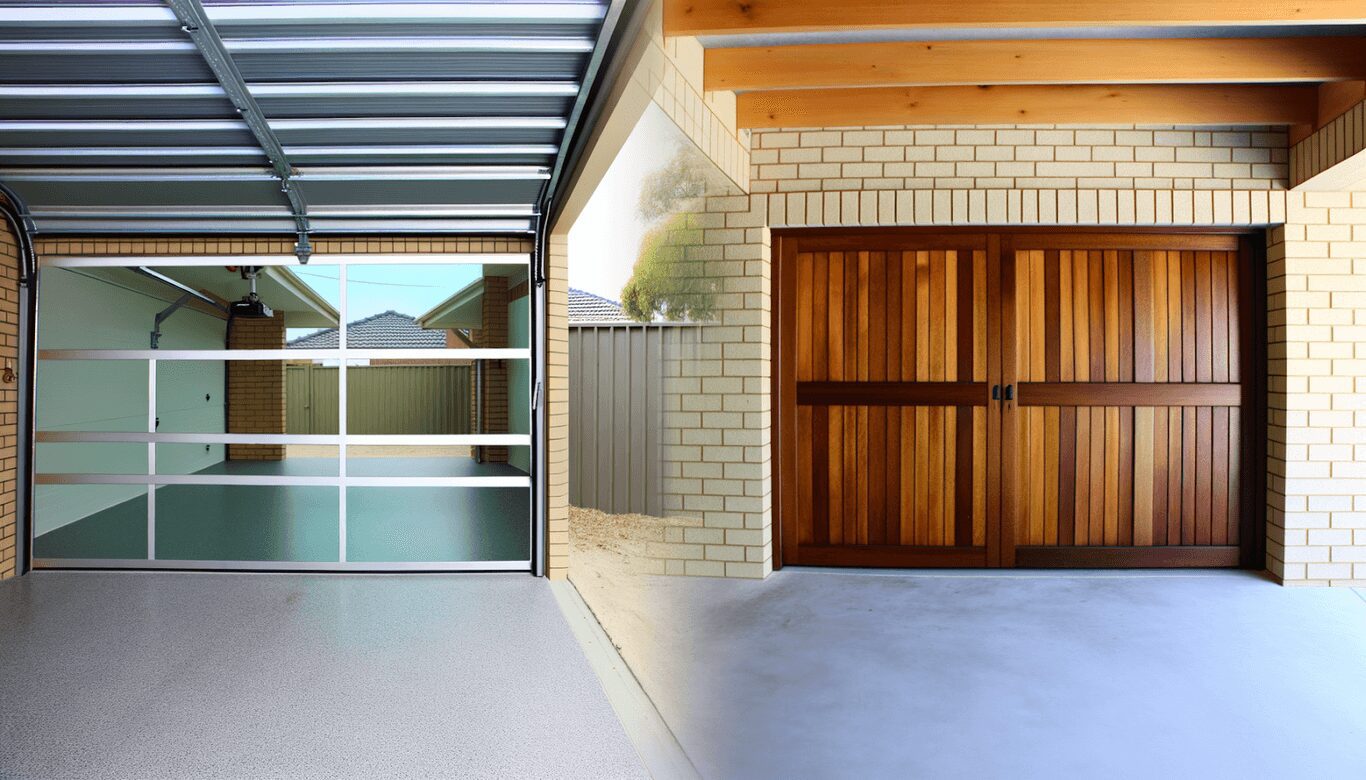
One of the standout features of acrylic garage doors is their undeniably sleek and contemporary look. Unlike traditional opaque doors, acrylic options allow a flood of natural light into your garage, transforming it from a dingy storage space into an inviting and bright area. If you’re someone who appreciates an open, airy vibe, the transparent or translucent panels can deliver exactly that. This could make all the difference for anyone using their garage as a multifunctional space such as a workshop or gym.
Durability
Although acrylic may not seem as robust as some traditional materials like steel, it is an incredibly durable option. It is resistant to most forms of breakage and withstands the varied climates we experience across South Australia. Acrylic is less likely to warp or crack under temperature changes, which is a massive bonus if you’re in an area with extreme temperatures or coastal conditions.
Affordability
We can all appreciate getting good value for our dollar. Acrylic doors are generally more affordable compared to materials like tempered glass or wooden garage doors. This does not mean you compromise on style or functionality. The cost-effectiveness of acrylic doors allows homeowners to achieve a chic and modern design without blowing the budget.
Natural Light
If you find yourself constantly flicking on the lights in your garage, acrylic may offer a fantastic solution. The translucent nature of acrylic panels maximizes natural light penetration which reduces energy consumption—a win for both the planet and your pocket. This efficiency can make day-to-day garage activities more comfortable, be it tinkering away on a project or simply accessing stored items with ease.
The Case for Traditional Garage Doors
While acrylic doors have their benefits, let’s not dismiss the value and benefits of traditional garage doors. They’ve stood the test of time, after all. Depending on the material, traditional garage doors can offer distinct advantages that might make them a better choice for some homeowners.
Material Options
Traditional garage doors mainly consist of steel, wood, or aluminium. Each has its benefits. Steel doors offer robustness and excellent security features, ideal for those in areas where security might be a concern. Wooden garage doors, on the other hand, resonate with those who cherish a classic, rustic look; though diligent maintenance is key to their longevity. Aluminium doors provide a lightweight yet durable option, with great rust resistance—perfect for coastal homes.
Insulation and Energy Efficiency
When it comes to maintaining the temperature inside your garage, traditional doors, especially those with insulation, excel. If your home includes a built-in garage, insulated steel doors can significantly improve your home’s energy efficiency, keeping it warmer in winter and cooler in summer. This is particularly beneficial for homes in regions prone to extreme temperatures.
Strength and Security
One of the undeniable pros of traditional garage doors is their strength. Steel garage doors, in particular, are often reinforced for security, which can give homeowners peace of mind, especially if your garage contains valuable items. Additionally, these traditional doors tend to be better equipped to handle high wind loads, given their heavier and usually sturdier construction.
Choosing What’s Best for You
Now that we’ve laid out the advantages of both acrylic and traditional garage doors, the choice ultimately depends on personal preference and specific needs.
Consider Your Local Climate
If you live in a region with extreme weather conditions, opting for a material that’s known for its resilience might be your best bet. Acrylic’s propensity for expanding under extreme heat or becoming brittle in the icy cold is worth considering. Conversely, proper insulation on traditional doors could be invaluable in these situations.
Weigh Cost Versus Longevity
Your budget is a significant factor when selecting a garage door. Acrylic presents a cost-effective, aesthetically pleasing option, but traditional doors might offer longer lifespan and repair options, which can translate into future cost savings.
Assess Your Home’s Aesthetic
Think about what style will best complement your home’s overall design. A modern aesthetic might lean towards acrylic doors for that glossy, minimalist look, while traditional doors might suit classic, contemporary homes better with their textured materials and diverse finishes.
Maintenance
Don’t downplay the importance of upkeep in your decision-making process. Acrylic doors require gentle cleaning with non-abrasive materials, and although they don’t rust, they can scratch more easily than metal doors. Traditional materials have their own unique maintenance challenges, but with regular care, they can remain attractive for many years.
Maintenance of Acrylic vs Traditional Garage Doors
Swapping to acrylic garage doors from traditional models, or vice versa, is a decision best made when you have all the facts in front of you. Consider your needs, the local climate, and what fits your lifestyle and budget best. Whether your choice leads you to the modern edges of acrylic or the dependable classic lines of traditional materials, your home will benefit greatly from a thoughtfully chosen garage door. In the end, your garage door is a long-term investment, and a little contemplation now goes a long way to ensuring you’re making the best choice for you and your home.