Transforming your garage into a haven for music creation, carpentry, or any sound-sensitive activity is a brilliant idea. But if noise is your arch-nemesis, soundproofing that garage door becomes paramount. Don’t fret; we’re here to guide you through this process with some Aussie tips sure to help you achieve peace and quiet.
Understanding the Fundamentals: Why Soundproof?
Before we dig into the nuts and bolts, let’s clarify what soundproofing is all about. The process fundamentally involves two strategies:
- Blocking Sound Waves: This means using mass to block sound passage and sealing any gaps where sound can leak through.
- Absorbing Sound Waves: Adding materials that absorb rather than reflect sound helps cut down on echo and reverberation.
Understanding these fundamentals will arm you with the right knowledge as we dive into soundproofing your garage door.
Identifying the Noise Culprits
So, what’s causing all that racket? Here are the usual suspects behind garage-related noise:
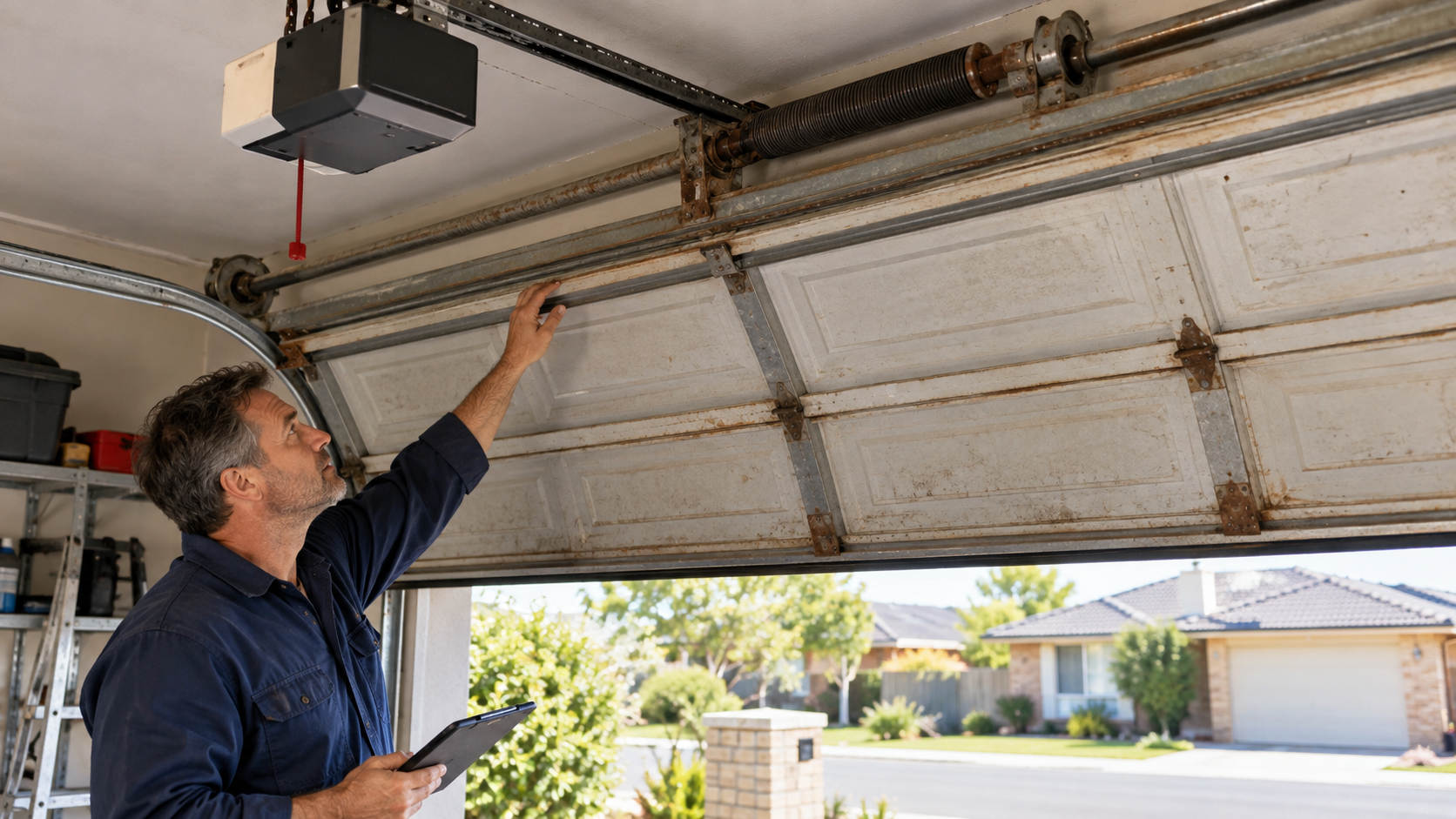
- Door Material: Materials like steel or wood can reflect sound rather than block it. Some variants may also be hollow, exacerbating sound transmission.
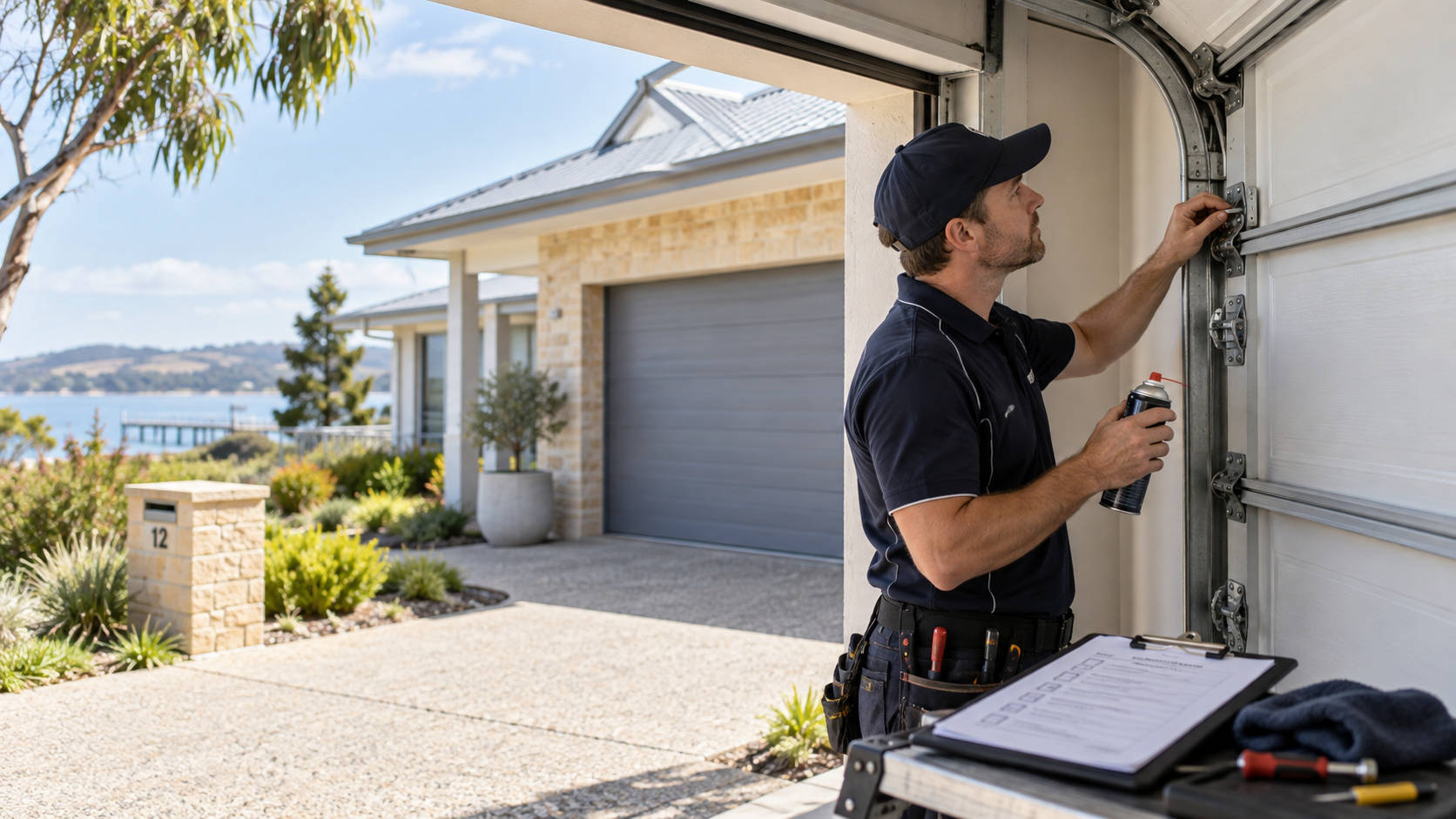
- Gaps and Seals: Over time, weatherstripping wears out, and gaps may form—perfect channels for noise to travel through.
- Door Mechanisms: The mechanical symphony of your garage door opening and closing can be surprisingly loud.
The Step-by-Step Guide to Soundproofing Your Garage Door
Step 1: Seal Up Those Gaps
First things first, let’s deal with gaps and worn seals that allow noise to escape or enter:
- Replace Weatherstripping: Use high-quality weatherstripping with good sound transmission class (STC) ratings. This helps secure the perimeter of your door.
- Seal Gaps: Grab some exterior-use caulk, and get to work sealing any visible cracks around the door.
Step 2: Add Mass to the Door
Adding mass is one of the standout methods to soundproof a garage door. More mass equals less sound passing through:
- Use Mass Loaded Vinyl (MLV): MLV is top-notch for this job. Attach MLV sheets to your garage door’s interior using a strong adhesive like Green Glue.
- Sound Deadening Mats: These mats provide additional mass and sound absorption. Securely attach them to your door or inside door panels, provided it’s hollow.
Step 3: Install Door Insulation
Insulation does more than just keep your garage warm; it kicks noise to the curb too:
- Select Insulation Type: Cellulose, fiberglass, or spray foam insulation will all do the trick, aiding in both thermal insulation and soundproofing.
- Application: Apply insulation directly to the door panels or within the door structure for best results.
Step 4: Hang Soundproofing Overhead
If upgrading the door’s mass isn’t enough, consider this ceiling hack:
- Curtains Above the Door: Use curtain rods to suspend soundproofing materials like MLV or acoustic quilts above the open door gap.
Step 5: Reinforce the Door
If your current setup is lacking, reinforcing the door is another effective solution:
- Solid Core or Insulated Doors: Replace the old with new, opting for a door with a higher STC rating.
- Strengthen Existing Panels: Reinforce by adding sound-absorbing materials if a complete door replacement isn’t an option.
Extra Tips for Full Soundproofing
Soundproofing Beyond the Door
While the door is a common weak spot, don’t forget the walls and ceiling:
- Stud Out Walls: Create a room-like structure by filling wall cavities with insulation and using 5/8” drywall.
- Decoupling: Use isolation clips for your drywall to prevent vibrations from travelling via the studs.
- Double Down on Drywall: A second drywall layer with Green Glue in between amplifies this effect.
Seal Perimeter Gaps
Gaps are the Achilles’ heel of any soundproofing project:
- Acoustical Caulk: Seal all gaps and wall-door frame penetrations using acoustical caulk.
Wrap-Up: Creating Your Sound Sanctuary
Soundproofing a garage door isn’t just about installing a thicker barrier, it’s a comprehensive approach encompassing sealing, added mass, and strategic insulation. Whether you’re jamming out with the band or building a birdhouse for the kids, a well-soundproofed environment can offer much-needed peace and focus. By following these steps, you’ll have the know-how to efficiently soundproof your garage door and make the space uniquely yours.
This journey towards tranquility isn’t just for pros; any DIY enthusiast can get it done, or consult a professional for peace of mind. So go on, make your garage the ultimate haven free from the shackles of noise.