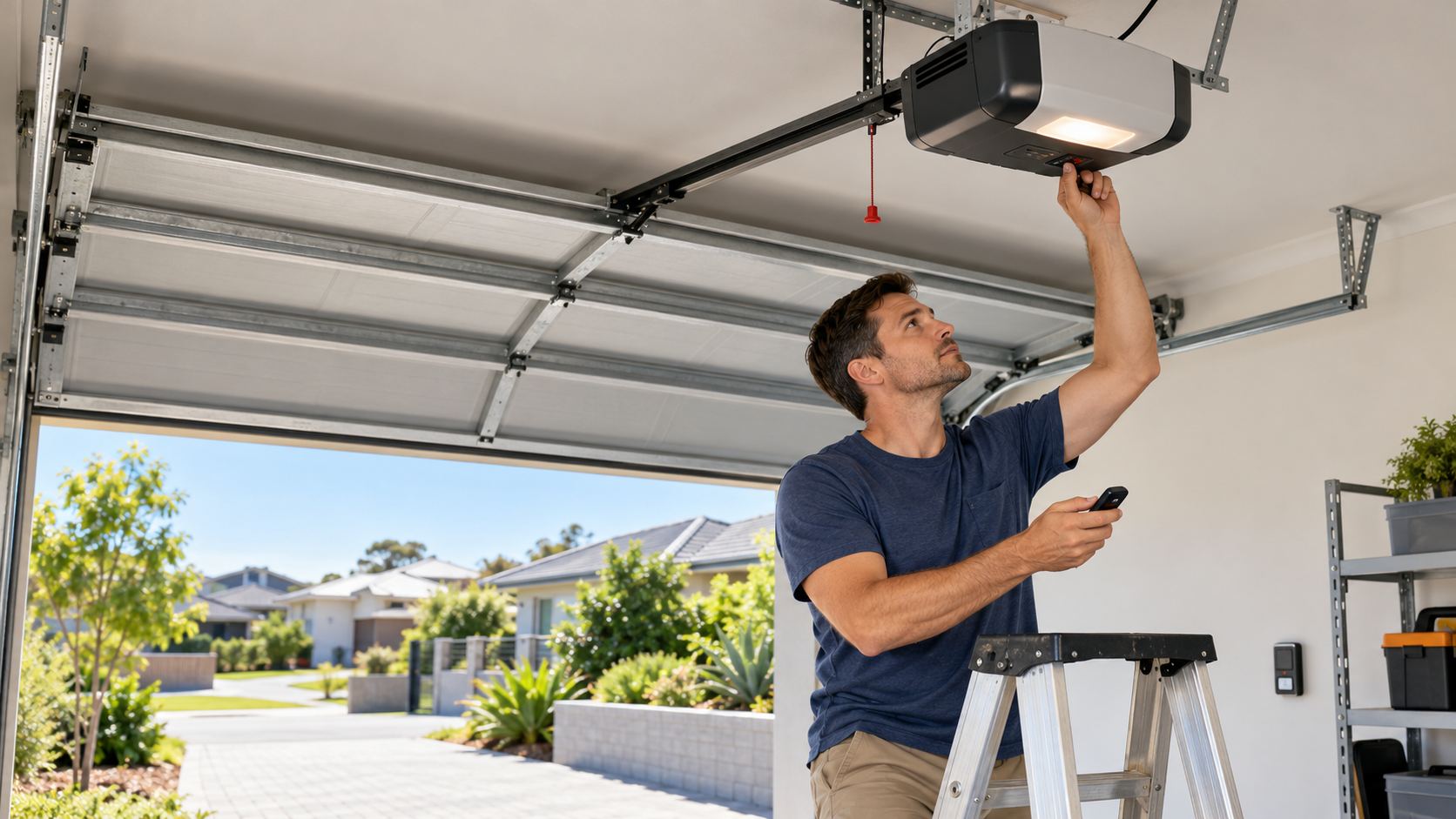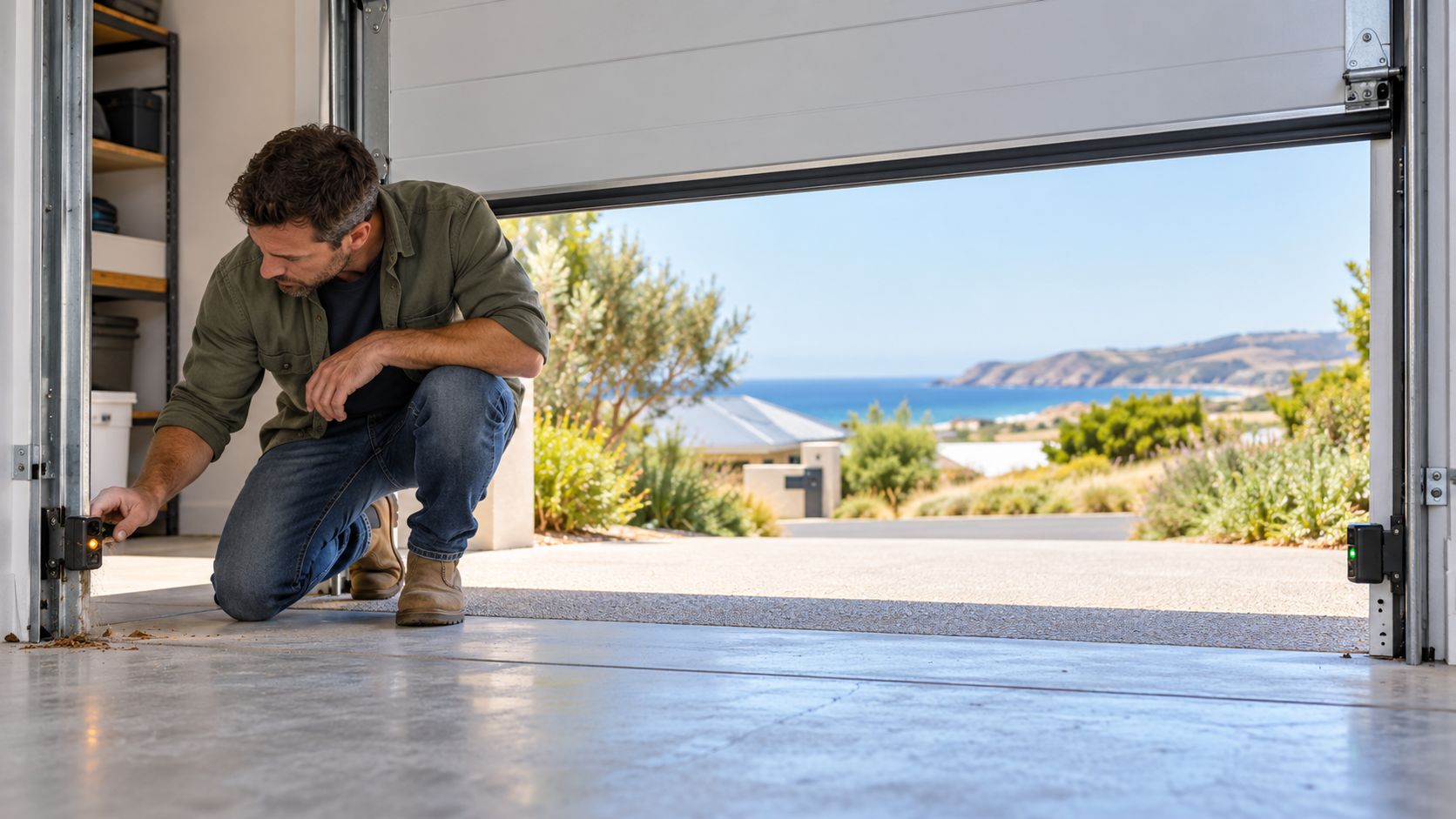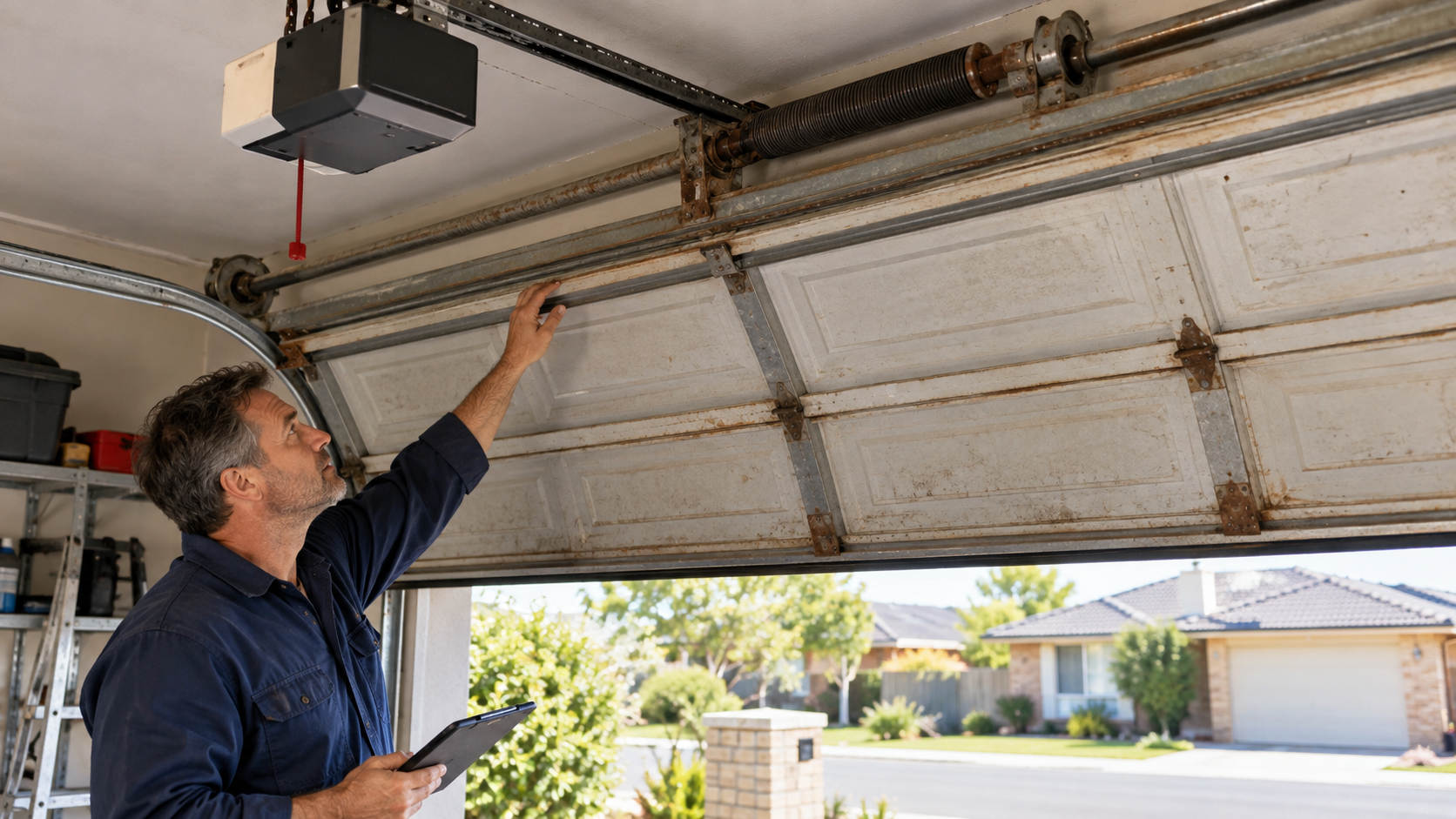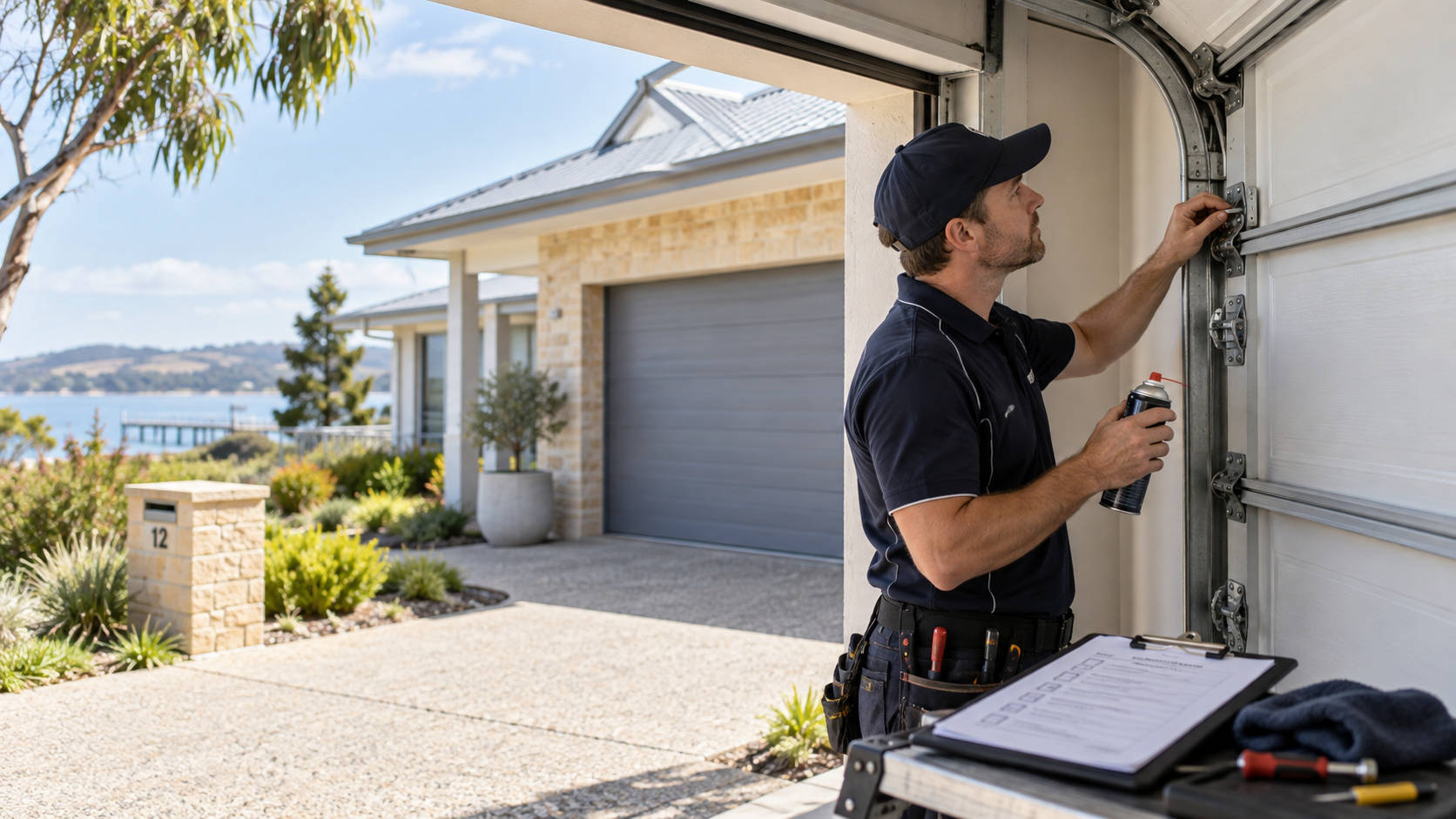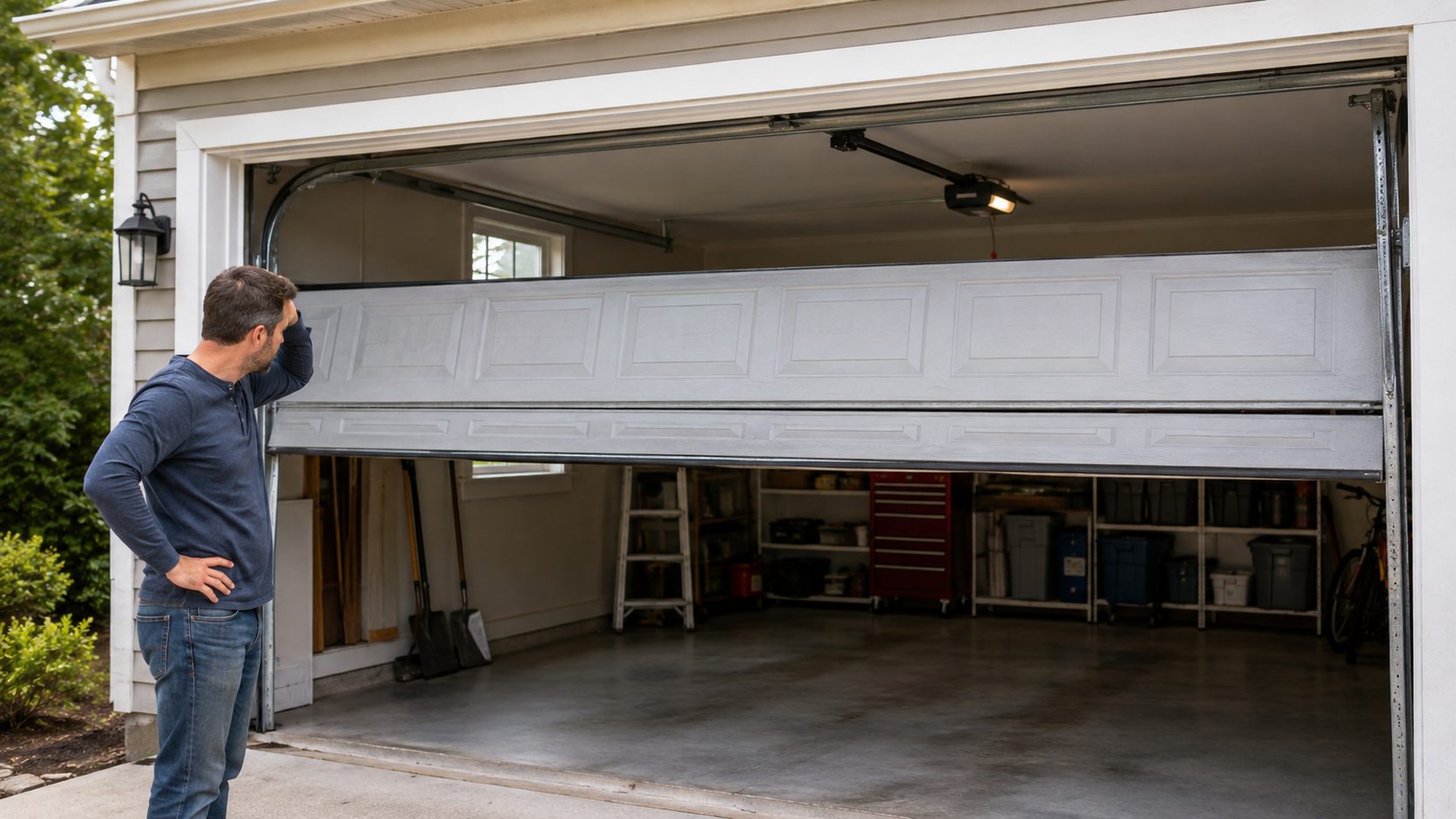

Misaligned garage door tracks can be a real headache for homeowners and it doesn’t discriminate— whether you’re a bloke or a sheila, finding your garage door on the fritz is never fun. Not only can misalignment disrupt the smooth operation of your door, but it also poses safety risks and increases maintenance needs. No one wants to deal with a door that refuses to budge or makes ungodly noises. So, let’s dive into what causes garage door tracks to become misaligned and how you can tackle these issues head-on.
Common Causes of Misaligned Garage Door Tracks
1. Impact Damage
Ever accidentally backed into your garage door with your car? You’re not alone. Accidental impacts like these can bend or misalign the tracks. Such damage might seem minor initially, but it could require immediate attention to prevent a cascade of problems.
2. Loose Hardware
Over time, the nuts and bolts that keep your tracks in place can jiggle loose. It’s as if they have a mind of their own. Regularly checking and tightening them can save you a lot of undue stress later down the line.
3. Wear and Tear
Like many things in life, regular use wears on your garage door’s tracks. The constant motion can cause the tracks and their brackets to shift, especially with heavier or frequently used doors. Maintenance goes a long way here.
4. Improper Installation
Sometimes the issue starts with poor installation. If the tracks weren’t installed properly in the first place, it’s no surprise they’d be more susceptible to misalignment over time. Proper setup is vital for smooth, safe operation.
5. Environmental Factors
We Aussies know how brutal the weather can be, and your garage door is no exception to the elements. Changes in temperature and humidity can cause tracks to expand or contract, leading to misalignment. Keeping a steady environment in the garage helps mitigate this.
6. Old Age
Even with all the TLC, tracks aren’t immune to aging. It’s inevitable that they wear down over time. Regular checks and maintenance are crucial to keep them in running order.
7. Chemical Damage or Broken Cables
Exposure to industrial fumes, salty sea breezes, or dealing with broken cables can corrode metallic tracks, bending or misaligning them. Protecting your garage from such elements and fixing broken cables pronto is crucial.
8. Poor Lubrication
Think of lubrication like your morning coffee— necessary for getting things moving smoothly. Without proper lubrication, rollers might stick, causing tension that could damage cables and bend tracks.
Recognising Symptoms of Misaligned Garage Door Tracks
Identifying the signs of misalignment can save you a bunch of trouble. Keep an ear and eye out for these common symptoms:
Difficulty Opening or Closing
If your door struggles or seems to have a mind of its own while opening or closing, the tracks might be misaligned. It’s like trying to run with your shoelaces untied— not pretty and quite dangerous.
Unusual Noises
Grinding, scraping, or squeaking can indicate misalignment. These sounds are particularly notable where the misalignment is the worst.
Visible Gaps
You might see gaps between the rollers and the tracks or between the tracks and the wall. Noticing this when the door is in use or even stationary is a tell-tale sign.
Door Off-Track
One of the more severe symptoms is the door coming off the tracks completely. It’s a major safety hazard and can happen if minor misalignments are ignored.
Repairing Misaligned Garage Door Tracks
Before calling a professional, there are a few steps you can take to address track misalignments:
Inspect and Tighten Hardware
Check the nuts and bolts securing the tracks. Tightening loose ones could be a simple solution to minor problems.
Align the Tracks
Use a level to ensure tracks are vertically straight. If they’re not in line, adjust the brackets, but be sure to tighten fasteners properly afterward.
Check for Damage
Look for bends or dents in the tracks. Minor kinks can be knocked out with a rubber mallet— like Iron Mike’s uppercut. But if they’re severely damaged, replacement might be needed.
Lubricate Tracks
A silicone-based lubricant can prevent many alignment issues and keep operations smooth, like a well-greased machine.
Preventing Misaligned Garage Door Tracks
Regular Maintenance
Keeping tabs on your garage door’s health is essential. Regular inspections and quick fixes can prevent major headaches later.
Proper Use
Avoid mistreating your door. Slamming or yanking it causes unnecessary stress on the tracks. Gentle, steady use is best.
Environment Control
Keep your garage environment under control to reduce the impact of humidity and temperature swings. Ventilation and protection from corrosive elements can help here.
Additional Tips When Understanding Misaligned Garage Door Tracks
- Leveling the Garage Door: Sometimes it’s not the tracks themselves but the garage door needing a level check. Inspect cable drums and adjust as necessary to ensure smooth operation.
- Using the Right Tools: Equip yourself with the correct tools to avoid causing further damage while aligning or fixing tracks.
- Comparing with Other Doors: If you have more than one garage door, use the normally functioning one as a reference to diagnose issues with the misaligned door.
By understanding the causes, symptoms, and fixing methods of misaligned garage door tracks, you can ensure your garage door will operate like a charm for years to come. Regular check-ups and repairs are worth their weight in gold when it comes to avoiding bigger problems and extending your door’s life.