When it comes to securing your home, your garage door is often one of the most overlooked points of entry. Despite its size and the convenience it offers, many homeowners don’t realize that their garage door can be a significant vulnerability. This comprehensive guide will help you understand the different aspects of garage door security, the potential risks involved, and how to enhance the safety of your home using modern technology and best practices.
Understanding Common Vulnerabilities
First up, it’s crucial to identify the common vulnerabilities that can make your garage door an attractive target for intruders. Understanding these weaknesses is the first step to securing your garage effectively.
Weak or Outdated Locks
Many older garage doors use simple lock systems that can be easily picked or forced. Upgrading to high-security locks like deadbolts or smart locks can dramatically increase your garage door security. It might be time to modernise if what you’ve got is feeling a bit creaky.
Remote Control Hacking
With the rise of technology, there’s a real risk of tech-savvy burglars hacking into wireless garage door remotes. Opt for openers with advanced features such as encryption and rolling code technology. This ensures that the signal used to open the door changes every time, making it difficult for potential intruders to crack.
Lack of Backup Power
No electrical power can mean no working garage door—easy pickings for opportunistic intruders. A backup battery system or manual override can keep your security intact during outages, preventing forced entry.
Insufficient Lighting
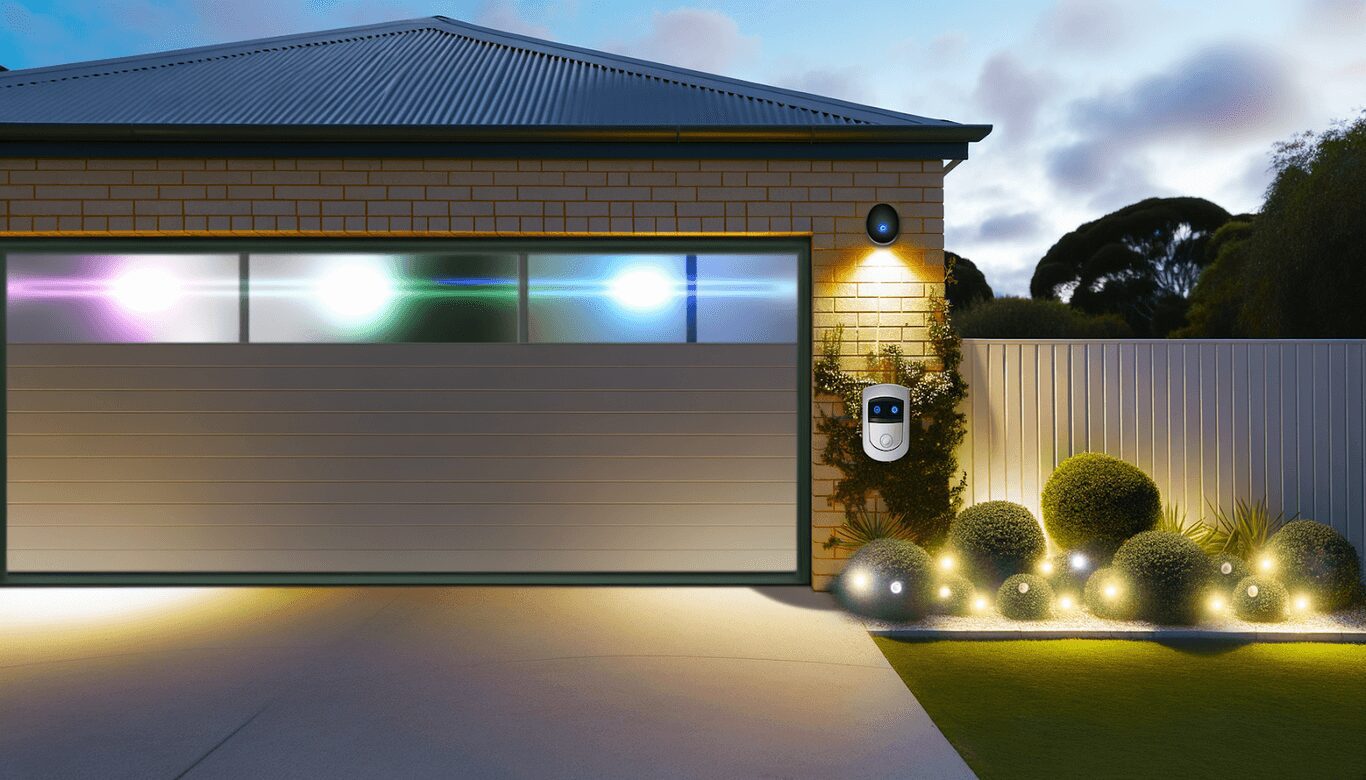
A dark area is a burglar’s best mate. Installing bright lights inside and out will make it harder for them to operate unseen. Good lighting also gives you the upper hand to notice any dodgy activity around your garage.
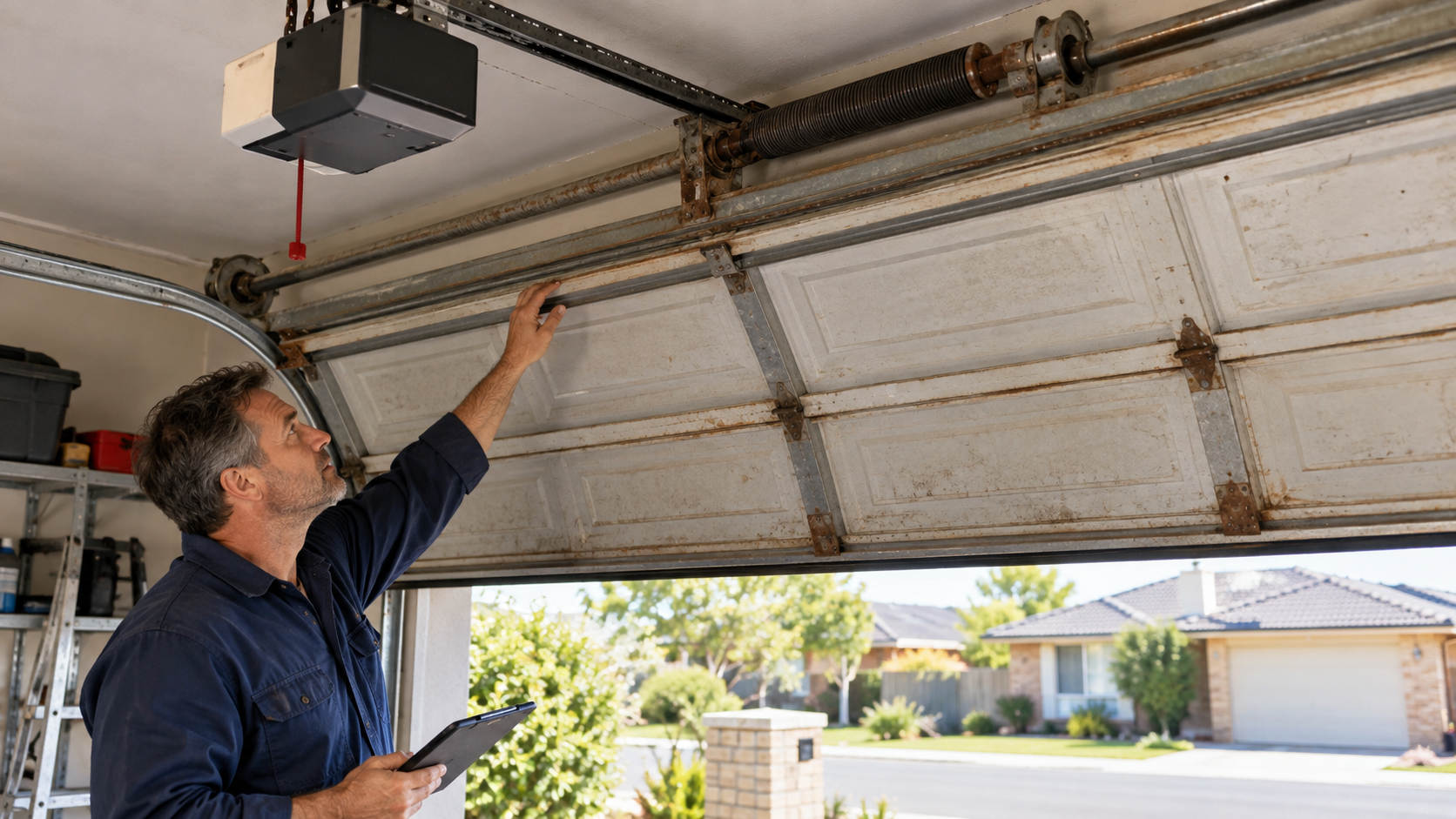
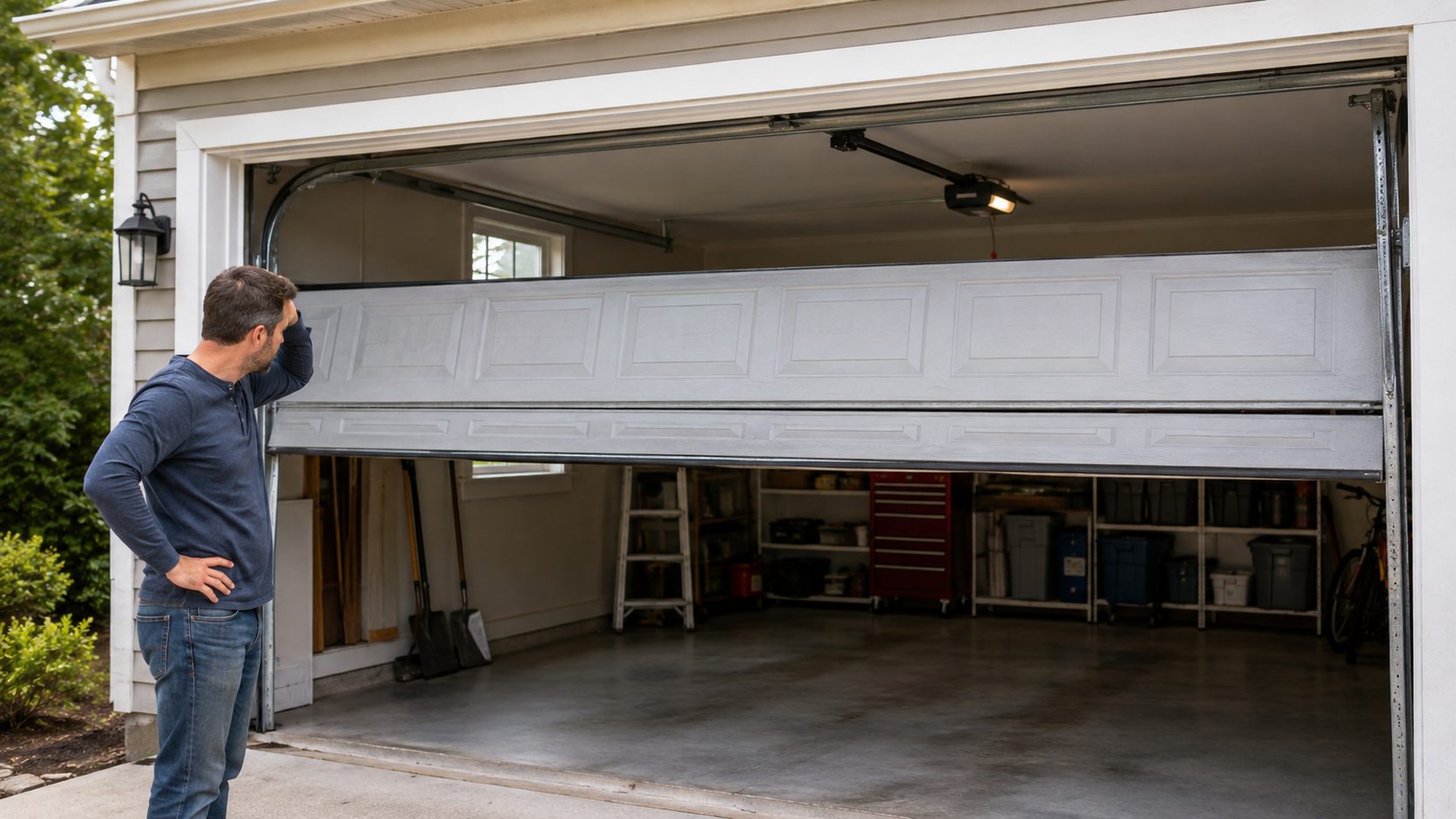
Damaged or Aging Garage Doors
Time can be rough on your garage door. Wear and tear can make it less sturdy and easier to breach. Regular maintenance and replacing aging doors are key strategies to maintaining a secure environment for your home.
Unsecured Entry Points
Side doors, windows, and even the little service doors within the garage can often be overlooked. Ensure they are as secured as the main garage door to prevent intruders from simply bypassing your defences.
Types of Garage Door Security Systems
A range of security systems is available that can bolster your garage door’s safety, each with unique advantages.
Automated Security Systems
These bad boys integrate sensors and cameras and connect to your mobile or other smart devices. Many will alert you to unexpected activity and allow remote control, so you can secure the door while you’re away.
Mechanical Locks
Sometimes, the old-school approach is best. Padlocks and deadbolts provide a solid physical deterrent to intruders. You can choose from a variety of styles, all offering various levels of toughness.
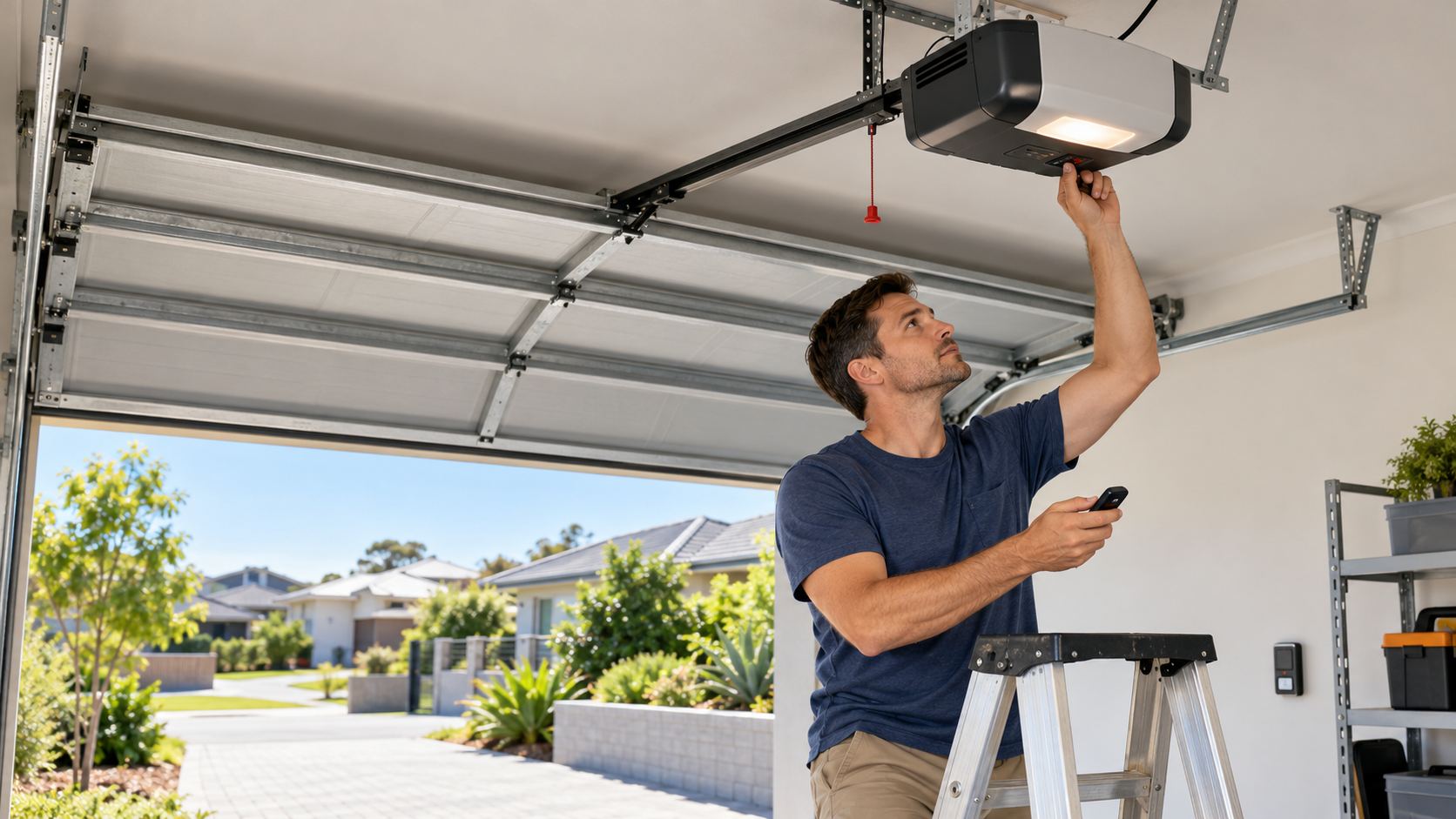
Smart Garage Door Openers
These are modern marvels, equipped with features like remote access, built-in security, and activity logging. They help in seamlessly blending higher security with day-to-day convenience.
Motion-Activated Lighting and Alarms
Lining up motion-activated lights and alarms can provide you with an early warning about suspicious activity around your garage, giving an extra layer of security.
Security Tips and Best Practices
Now, let’s dive into some practical tips and tricks you can use to secure your garage door further.
Keep Your Garage Door Closed
It might sound too simple, but keeping your garage door closed as often as possible is one of the easiest and most effective security measures you can take. Out of sight, out of mind for would-be intruders.
Lock the Garage Door
Consider installing devices specifically designed to protect the emergency release mechanism, like the Garage Shield or Garage Door Armor, to add another layer of protection.
Secure Your Remote Control
Don’t leave your garage remote in obvious places like your car’s sun visor. Anyone peeking through a window could use it to steal access. A more secure option is a mini remote on your keychain.
Keep Garage Door Security Codes Safe
Change security codes regularly and keep them confidential. Don’t share them with anyone unless absolutely necessary, and never leave them written down where they can be easily found.
Use Deadbolts on All Doors
Installation of high-quality deadbolts on all doors leading into the garage is a must, including the door that leads from the garage into your home.
Install a Peephole
This provides you with an easy way to discreetly see if anyone’s hanging about outside your garage, without exposing yourself to potential danger.
Regular Maintenance
Check the garage door regularly – springs, rollers, any moving parts – to ensure it’s in good condition. Maintenance minimizes the risk of forced entry by ensuring everything is functioning as it should be.
Lighting Upgrades
Consider upgrading both the interior and exterior lighting around your garage. Bright lights act as a deterrent to intruders and can improve your overall visibility.
Sensor-Activated Alarms
Set up sensor-activated alarms to notify you of unapproved access. Make sure these alarms can provide real-time alerts directly to your mobile device.
Landscaping Considerations
Keep your garage’s surroundings clear of overgrown plants and clutter that could provide cover for intruders. High visibility is a crucial element of a comprehensive security strategy.
Safety Features and Compliance
Your garage door’s security isn’t the sole consideration; safety features play an important role too.
Safety Mechanisms
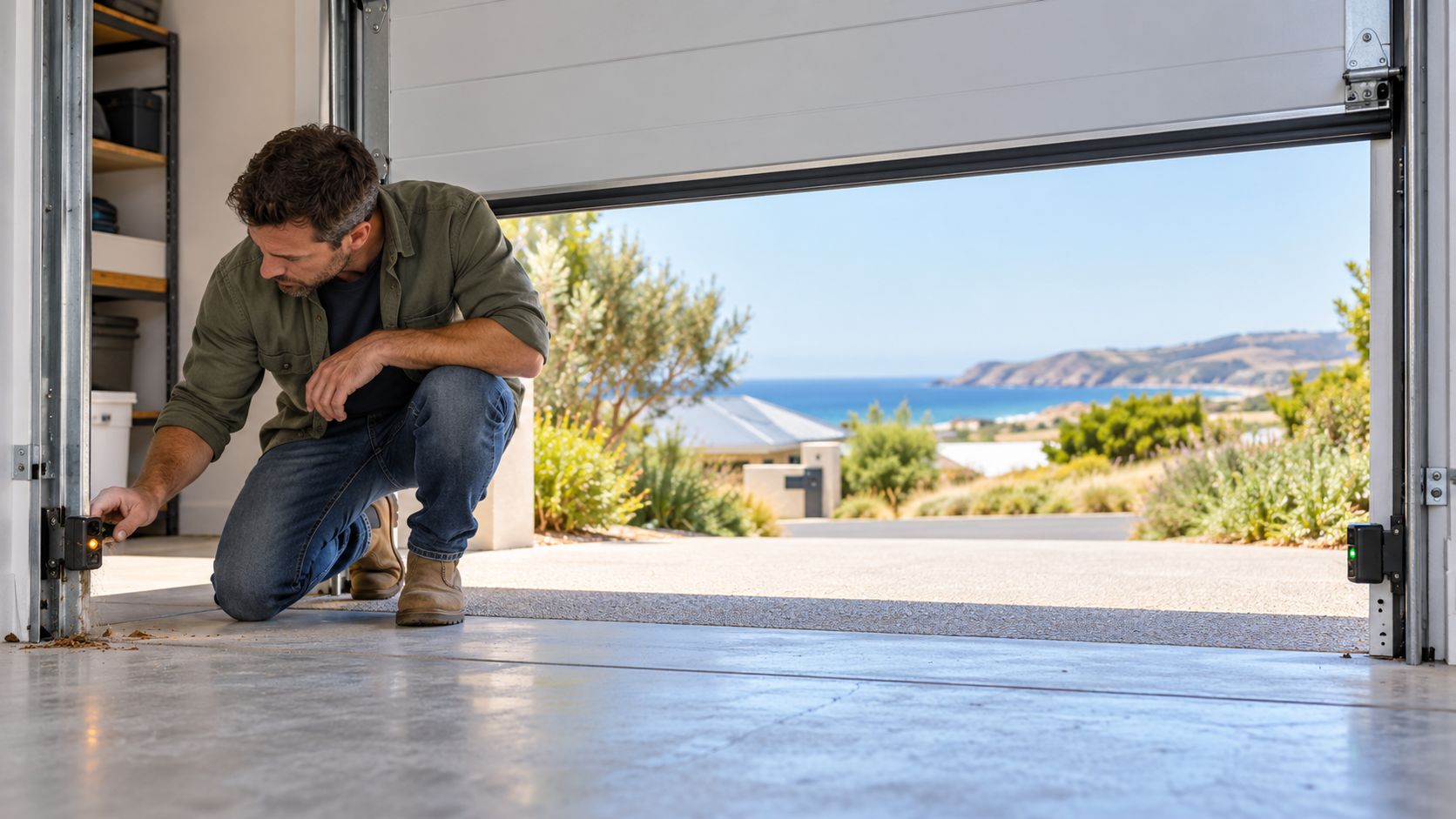
All modern garage door openers come with mandatory safety mechanisms to prevent accidents. Ensure features like “safety eyes” are functioning properly to detect and avert accidents.
Automatic Reversal
This feature ensures the door reverses direction upon contact with an object, person, or animal. For peace of mind, test this feature regularly to confirm proper function.
Photoelectric Sensors
Install these to act as a backup, sensing anything blocking the path of your closing garage door, adding another layer of safety.
Maintenance Tips
Like most complex machines, a bit of elbow grease in the form of regular maintenance can go a long way.
Inspection
Regularly check for damage or wear and tear—look for cracks or rust and ensure all parts are aligned. Pay special attention to springs and cables as these are high-tension parts.
Lubrication
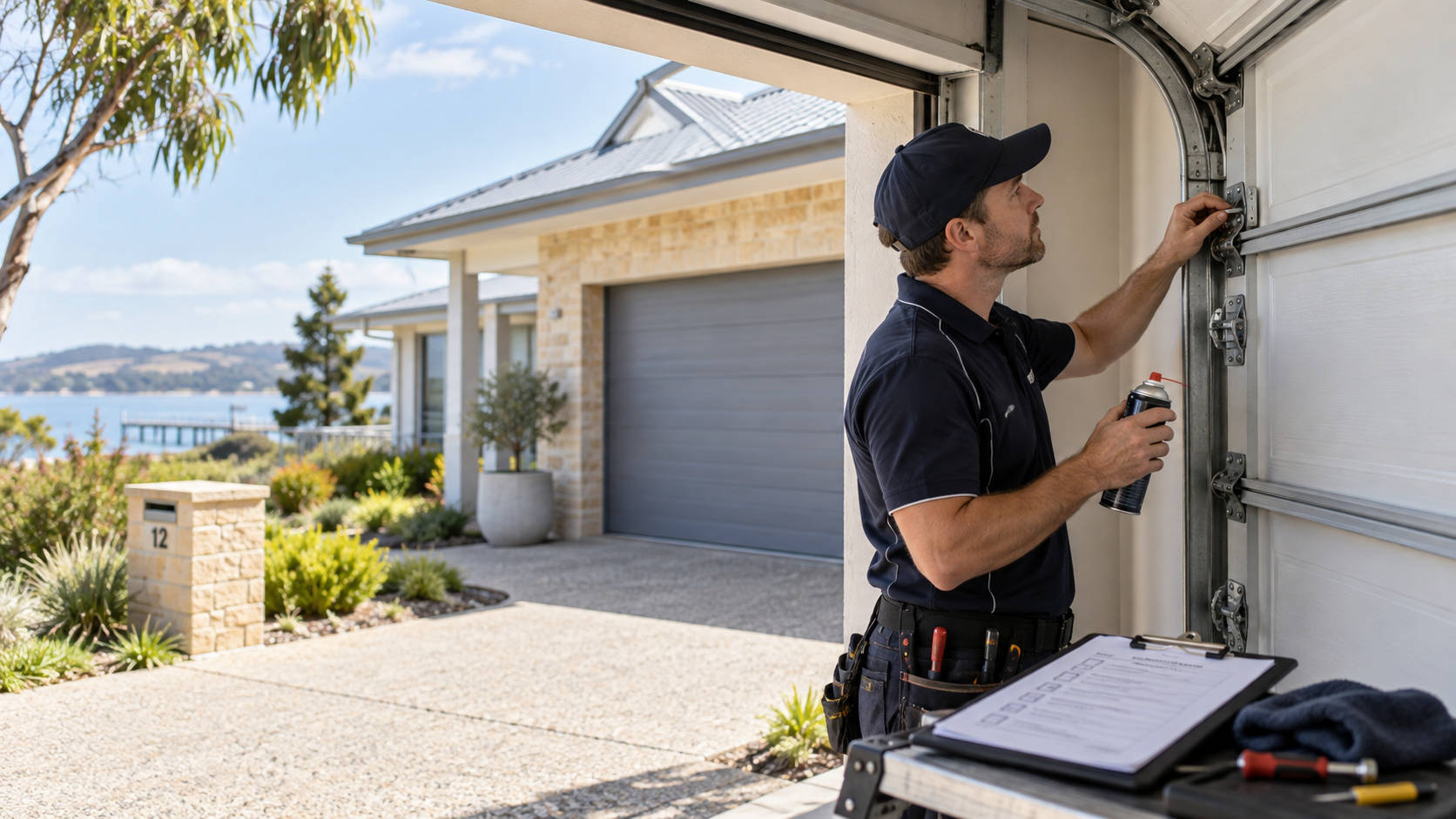
Regularly lubricate all the moving parts, including rollers, hinges, and springs, to ensure smooth operation and prevent unexpected breakdowns.
Cleaning
Keep your garage door and its tracks clean to free them of dirt and debris, maintaining optimum function. A clean, well-maintained garage door is less prone to failure.
Tighten Hardware
Periodically inspect all bolts, screws, and nuts. Tighten any loose hardware to keep everything firmly in place.
Weatherstripping
Replace weatherstripping around your garage door regularly to keep out weather extremities and ensure the door maintains its shape and structural integrity.
By following these guidelines, tips, and best practices, you can greatly enhance the security and safety of your garage door. Remember, keeping intruders at bay is not just about installing high-tech devices, but maintaining vigilance and upgrading your systems as required. Regular maintenance and a proactive approach to potential threats form the backbone of an effective garage door security strategy.