
Most people don’t think twice about commercial doors. You push it open, walk through, and carry on with your day.
However, this simple motion conceals a great deal happening behind the scenes.
In a busy Australian workplace, doors are constantly in motion, with employees moving between areas, deliveries rolling in, customers coming and going, and security systems locking up after hours. A single door can open and close hundreds of times a day without anyone noticing.
Until something goes wrong.
When a door starts sticking, slamming, or refusing to lock properly, it can slow people down, create security risks, and even cause compliance headaches during safety checks or audits.
In many cases, the door is part of your building’s safety system. Fire-rated doors, emergency exits, and controlled-access doors all depend on correct installation to function as designed.
In this guide, we’ll break down how commercial door installation works in Australia, and what to think about before choosing the right door system for your business.
The Importance of Commercial Door Installation
As a business owner or property manager, the type of doors you choose (and how well they’re installed) can have a huge impact on your safety and daily operations. Here’s how.
1. Strengthening Security
A well-built commercial door acts as your first line of defence.
Strong doors help prevent unauthorised access and protect equipment, stock, and sensitive areas within your building. Many commercial security doors also work alongside modern security technology, including:
- Access control systems
- Alarm integration
- Keycard entry systems
- Security cameras
Installed correctly, these systems operate together to protect your business. Poorly installed doors, on the other hand, can weaken your entire security setup.
High-quality commercial security doors also make staff feel safer, especially in workplaces that operate late hours or store valuable equipment.
2. Supporting Regulatory Compliance
In Australia, businesses have to meet strict safety and accessibility standards, including your doors.
Fire‑rated models, emergency exits, and accessible entryways must meet regulations to keep everyone safe and your business compliant. Staying on top of these requirements protects you legally and makes sure each person walking through your doors can do so safely and comfortably.
3. Made to Last
No one wants the hassle or cost of constantly replacing worn‑out doors.
Quality Australian commercial doors are designed to handle the constant movement associated with a busy workplace.
Materials like steel, solid timber, and aluminium can handle just about anything, from Queensland’s coastal humidity to the cold snaps down south. Investing in durable doors pays off over time by saving you money and maintenance headaches.
How to Get the Right Commercial Door for Your Business
Picking a commercial door isn’t as simple as choosing the first option you see. The right door needs to match how your building operates, how much traffic it handles, and the level of security required.
Here are a few things worth considering before making a decision.
Understanding Your Business Needs
Start by looking at how the door will be used each day.
A busy retail entrance, for example, deals with constant customer traffic and may benefit from automatic or glass entry doors. A warehouse loading dock, on the other hand, may require heavy-duty roller or steel doors built to handle equipment and vehicle access.
Security is another factor. Some businesses need reinforced doors with advanced locking systems, while others may prioritise accessibility and convenience for staff and visitors.
Looking at how the space operates will help narrow down the most suitable Australian commercial doors options.
Choosing the Right Material
Material choice has a direct impact on durability, security, and appearance.
Steel commercial security doors are widely used in commercial buildings because they are strong, reliable, and able to handle heavy use. Aluminium doors are durable, lightweight, and a good fit for many commercial entryways.
Timber doors can work well in office environments, while glass doors are popular for shopfronts and modern commercial spaces because they allow natural light and create an open, welcoming feel.
Each material has its advantages. What’s right for you will vary based on the function of the space and the level of security required.
Getting Professional Advice
Installing Australian commercial doors involves more than placing a door in a frame. Factors such as building structure, hardware compatibility, access systems, and compliance requirements all play a part.
Working with experienced professionals can help identify the most suitable solution for your property. A qualified installer can assess the site, recommend appropriate door types, and highlight potential challenges before installation begins.
The Commercial Door Installation Process: Step by Step
Once you’ve chosen the right doors for your business, it’s time to make sure they’re installed correctly. Even the strongest, most expensive door won’t perform well if it’s poorly fitted.
Step 1: Site Preparation and Frame Installation
First, the door frame needs to be measured, fitted, and levelled with care. Make sure all dimensions are correct and that the frame is securely anchored. It’s the backbone of your door system and determines how smoothly everything operates once complete.
Step 2: Preparing the Door
Before hanging the door, take the time to get every component aligned. Check hinge positions, hardware cutouts, and lock placements. Small details, like properly drilling and clearing screw holes, can make a huge difference in performance and longevity.
Step 3: Hanging the Door
With the frame secured and the door prepared, the next step is attaching the door to the frame using the hinges. The door is carefully lifted into position and secured to the hinges while installers check for correct spacing and alignment.
At this stage, installers also test the swing of the door to make sure it moves smoothly and sits properly when closed.
Step 4: Installing Hardware and Final Adjustments
With the door fitted, it’s time for the finishing touches. Install locks, handles, access control systems, or any additional security hardware. Test everything thoroughly and make final adjustments to make sure each component operates exactly as intended.
Looking Out for Common Installation Pitfalls
Even the best plans can hit a snag if you’re not paying attention to the details. Let’s go over some of the most common door installation issues and how to fix them before they turn into bigger problems.
Door Alignment Problems
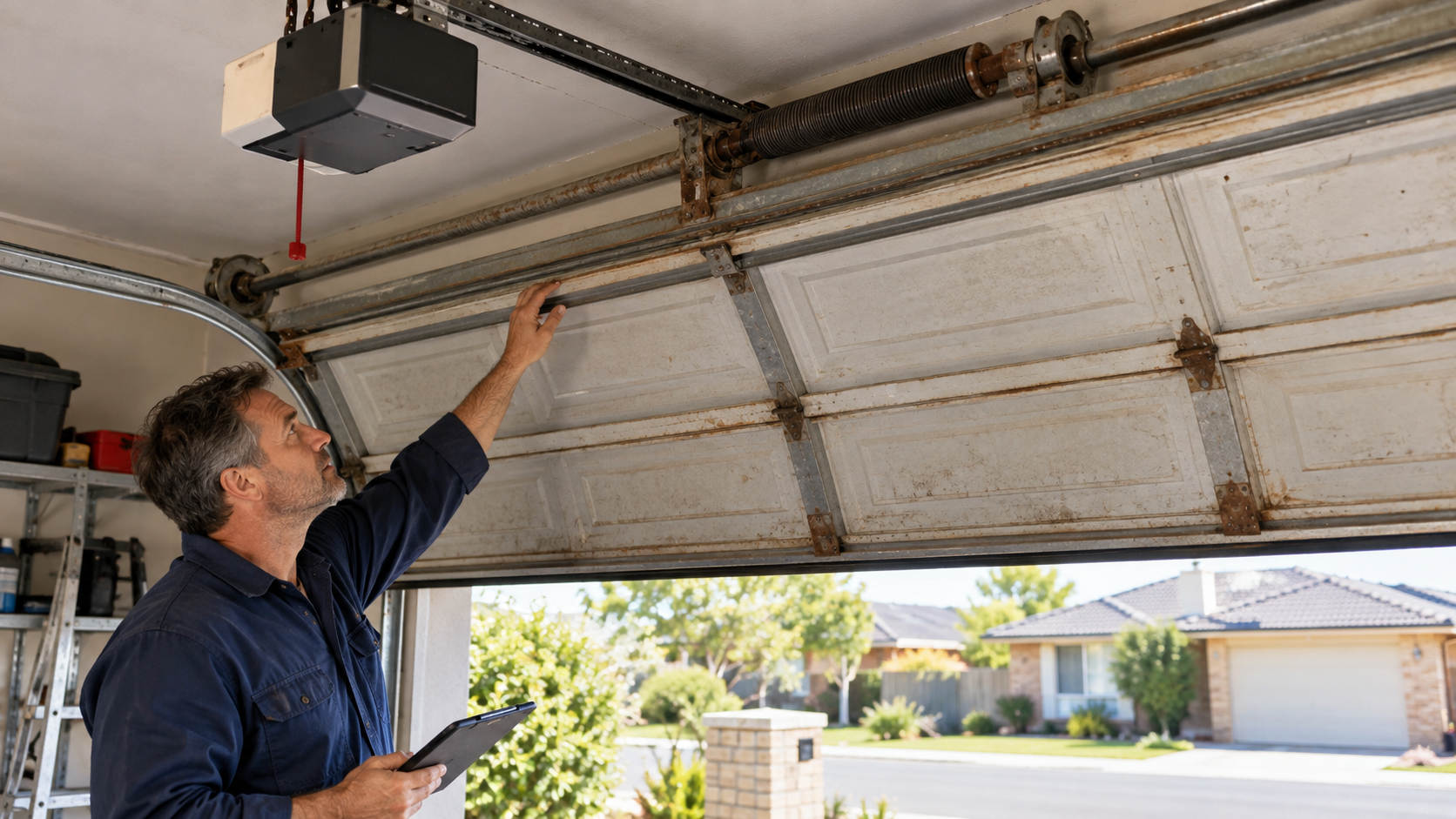
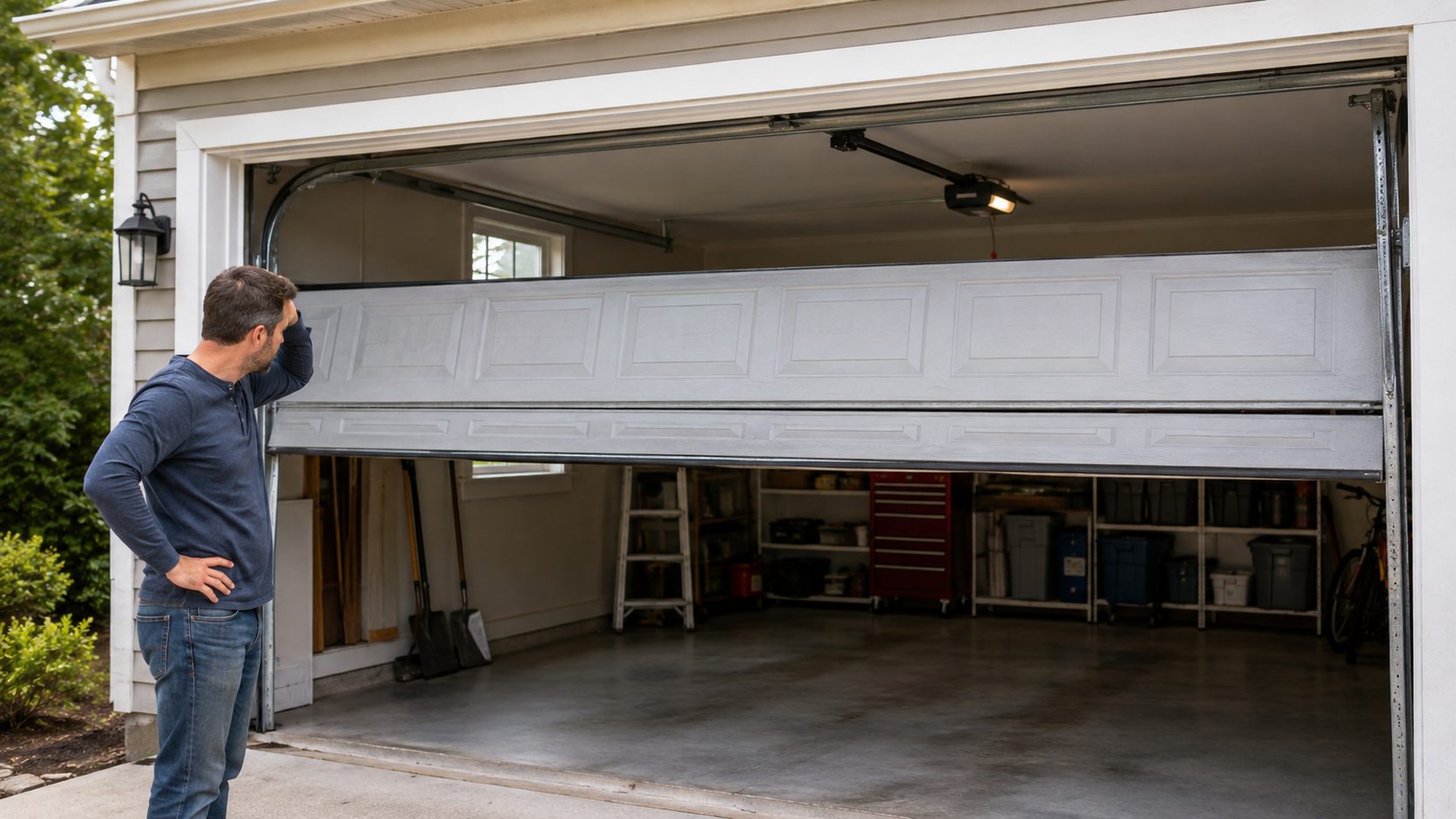
If your door isn’t closing properly or feels off-balance, chances are the alignment needs adjusting. Check that the frame is square and the hinges are level. Usually, a quick hinge adjustment is all it takes to get things swinging smoothly again.
Hardware That Doesn’t Function Properly
Commercial door hardware must work reliably every time someone uses the door.
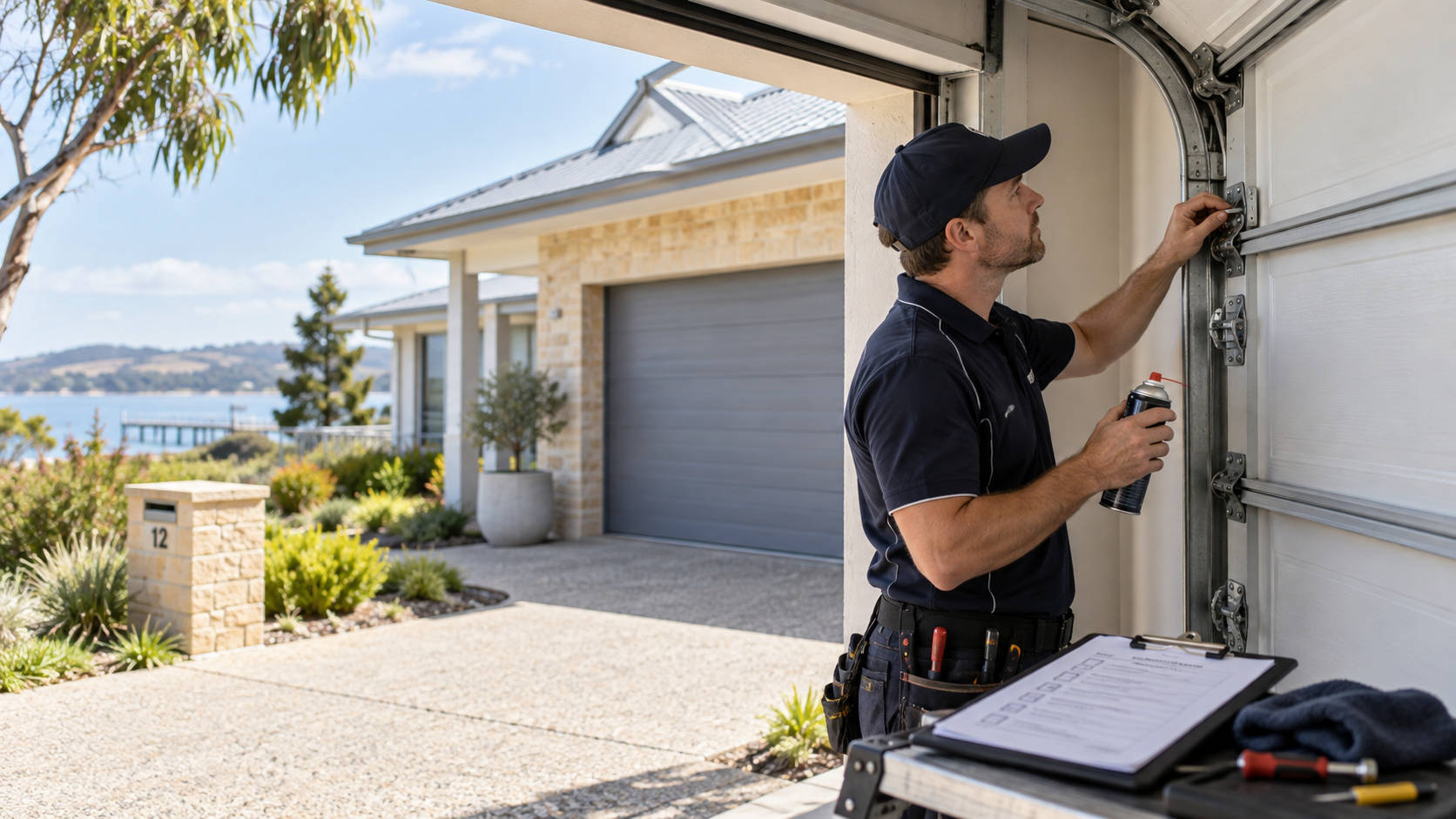
Always double-check installations against the manufacturer’s instructions. If something doesn’t seem quite right, get a second opinion before forcing it. A quick fix now can prevent major repairs later.
Fire Safety Compliance
This one is non-negotiable. Fire‑rated Australian commercial doors and hardware must comply with Australian safety standards to protect lives and property. Incorrect installation can cause a fire door to fail compliance checks or perform poorly in an emergency.
Strengthening Security Beyond the Door
While a well-made door is a good start, true security goes further. Consider adding smart locks, keyless entry, or access control systems to monitor and manage who enters your building. Combined with a properly installed commercial door, these technologies create a more secure and controlled environment for staff, visitors, and valuable assets.
Build a Safer, Stronger Entrance for Your Business
A commercial door might seem like a small part of a building, but it carries a lot of responsibility. The right door protects your premises, supports safety standards, and helps your business operate without unnecessary disruptions.
If you’re planning a new installation or replacing outdated doors, working with experienced professionals makes the process much easier.
Filips Garage Doors provides reliable commercial door installation in Australia. Get in touch with us today to discuss your commercial door installation and find the right solution for your property.