
Spend five minutes in a busy commercial building, and you’ll quickly notice that the doors never seem to stop moving, with roller doors lifting for deliveries, glass entry doors sliding open every few seconds for customers, and staff entrances buzzing all day as people move in and out.
Behind every one of those doors sits a motor doing the heavy lifting. And it’s working hard.
Commercial door motors can cycle hundreds (sometimes thousands) of times in a day. In busy warehouses. shopping centres, or hospitals, this number climbs even higher. Every open and close adds a little stress to the system.
Over time, small issues such as friction, worn components, or minor electrical faults accumulate until the door slows down or refuses to move altogether.
Fortunately, motor failures rarely appear without warning.
Once you understand what causes problems with commercial door motors, it becomes much easier to prevent them and avoid expensive commercial garage door motor repairs later on.
In the sections ahead, we’ll look closely at the issues that place the greatest strain on commercial door motors. More importantly, we’ll explore practical ways to reduce this strain and keep door systems operating reliably year after year.
Common Issues with Commercial Door Motors
One of the best ways to avoid unexpected downtime is learning how to spot problems early. Most door systems give clear warning signs before they fail.
When something feels “off,” it usually is.
Here are some of the most common issues that lead businesses to call for commercial door repair.
Power and Connectivity Problems
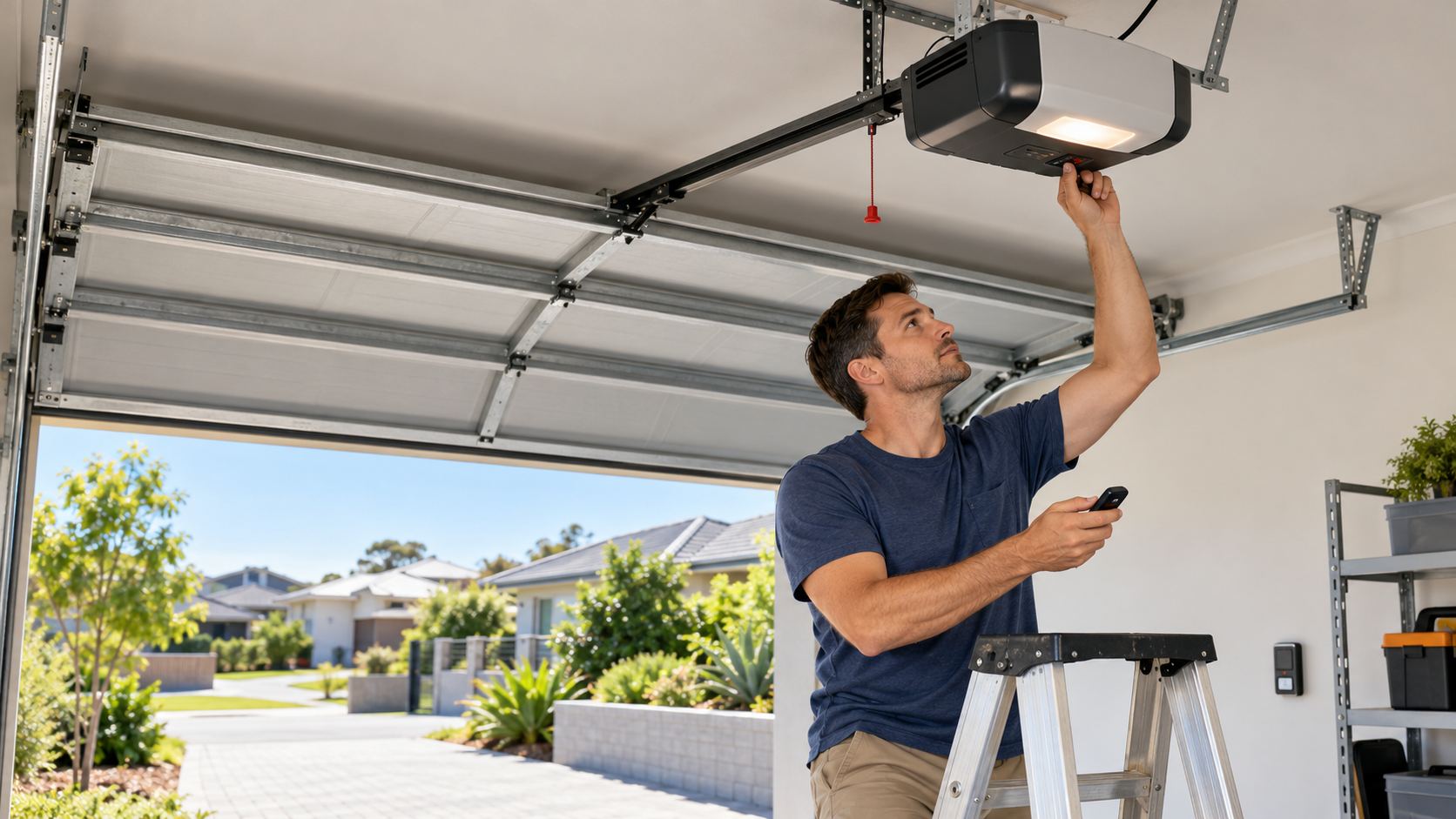
Before assuming the motor has failed, it’s worth checking the basics. Many door issues start with something as simple as a power interruption.
A loose plug, a switched-off outlet, or a tripped circuit breaker can stop the motor from working completely. It happens more than people expect, especially in busy environments where equipment is constantly being plugged in or moved around.
Start by confirming that the motor still has power. Check the outlet, inspect the cord, and take a quick look at the building’s breaker panel. Sometimes restoring power is all it takes to bring the door back to life.
Obstructions and Alignment Issues
Commercial doors rely on smooth, unobstructed movement. When something blocks the door’s path, the motor immediately struggles.
Even small objects can cause problems. A pallet left too close to a warehouse door, debris in the track, or packaging materials caught in the mechanism can prevent the door from opening or closing properly.
Misalignment can also cause similar symptoms. If the door has shifted slightly off its track or the sensors are no longer lined up correctly, the motor may stop the door as a safety measure. Clearing the path and realigning the components usually solves the issue quickly.
Remote and Keypad Troubles
Sometimes the motor is fine, but the controls sending the signal are the real culprit.
Remote controls and keypads depend on batteries, internal circuitry, and proper programming to communicate with the door system. If the batteries run flat or the keypad starts malfunctioning, the door may not respond at all.
Replacing the remote batteries is a good first step. In case the problem continues, check the keypad or reprogram the remote to restore normal operation.
Motor and Drive Gear Wear
Grinding, rattling, or clicking noises usually point to worn internal parts.
Inside the motor assembly, gears and drive components transfer power to the door. Constant use slowly wears these parts down. As the gears wear out, the motor struggles to move the door smoothly.
The door may jerk during operation or stop midway through a cycle.
Replacing worn gears and lubricating moving parts typically restores smooth operation. However, you may need a trained garage door motor repair technician to access the motor housing and replace parts.
Sensor Problems
Most commercial door systems rely on safety sensors to detect obstacles and prevent accidents.
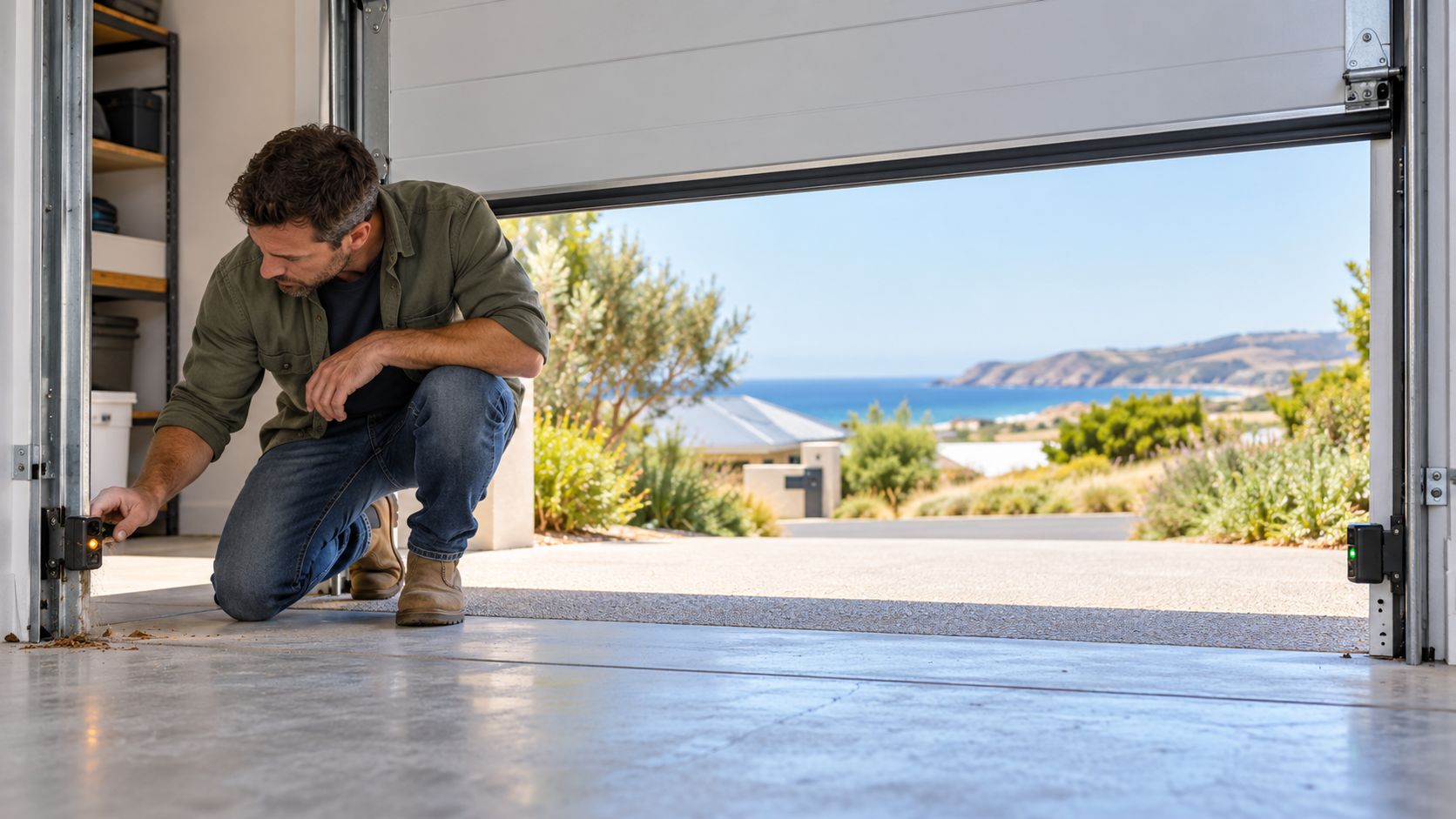
When sensors collect dust, shift out of alignment, or develop faults, they stop the door from closing properly. In many cases, the sensors simply detect something in the path and block the door from moving.
Clean the sensors first to remove dirt or debris that may interrupt the sensor beam. If the problem continues, realign the sensors or replace them.
Simple Troubleshooting Steps for a Commercial Door Motor
Now that we’ve spotted the potential problems, let’s run through the steps to get your door back in form.
Disconnect the Motor and Test the Door
Start by pulling the emergency release cord to disengage the motor from the door system. Doing this allows you to move the door manually.
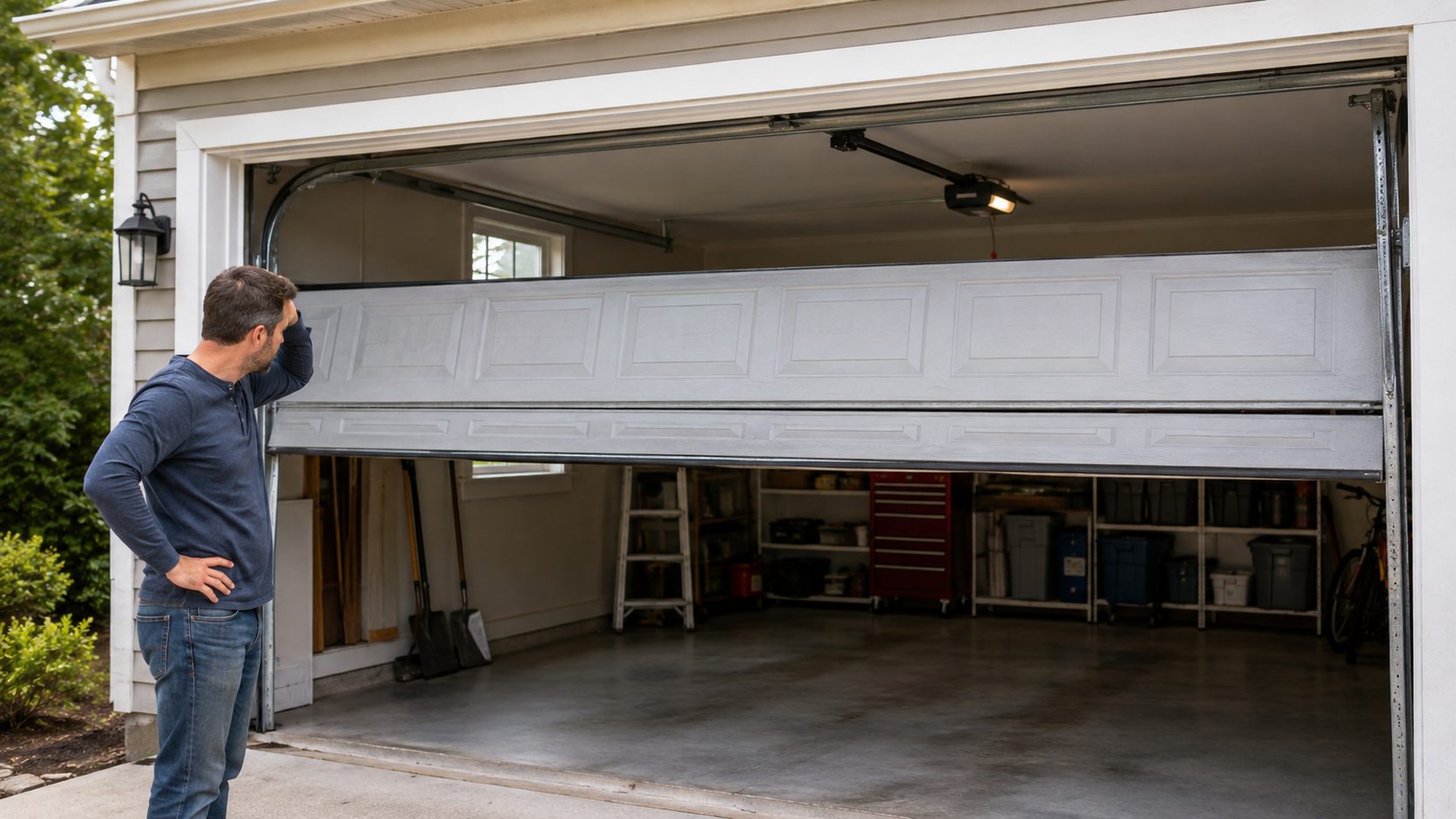
Lift and lower the door by hand to see how it behaves. If it moves smoothly without the motor, the issue likely sits inside the motor or control system. However, if the door feels heavy, stuck, or uneven, the problem may come from the tracks, springs, or rollers instead.
Check the Power Source
Next, check whether the motor is receiving electricity.
Make sure the power cord is firmly plugged into the outlet and inspect the circuit breaker panel for any tripped breakers. You can also plug another device into the outlet to confirm it’s still functional.
Electrical issues sometimes trigger unnecessary commercial garage door motor repair calls, so it’s always worth checking this first.
Inspect the Door Tracks
Walk along the full length of the door tracks and take a close look for anything that might block the door’s movement.
Bits of debris, loose hardware, packaging materials, or even small tools can interfere with the door as it travels along the track. Clearing these obstructions often solves the problem immediately.
While you’re there, check whether the tracks look bent or misaligned, as this can also create resistance for the motor.
Adjust the Closing Force
Some commercial door motors allow you to adjust the closing force if the door struggles to shut or closes too aggressively.
A small adjustment to the close-force screw can change how much power the motor applies. Turning the screw clockwise increases the force, while turning it the opposite direction reduces it.
Make small adjustments and test the door after each change until it moves smoothly.
Check the Drive Gear
The drive gear transfers power from the motor to the door system. When it starts wearing down, the door may move unevenly or stop mid-cycle.
Replacing the gear usually fixes the issue, though it requires opening the motor housing. Post-installation, lubricate the moving parts to keep everything running smoothly.
Look at the Control Board
If the door still refuses to cooperate after these checks, the control board could be the issue.
The circuit board sends signals that control when and how the motor runs. When it develops a fault, the motor may stop responding completely or behave unpredictably.
At that point, it’s usually best to call a technician experienced in commercial garage door motor repair.
Safety Tips Before Working on a Commercial Door
Before you start poking around a commercial door system, take a moment to think about safety. Since door motors connect to electrical components and heavy mechanical parts, a little preparation goes a long way in avoiding injuries or costly mistakes.
Cut the Power First
Always shut off the power before doing anything.
Unplug the motor or switch off the circuit breaker controlling the door system. It prevents the motor from activating while you’re working on it.
Use the Right Tools
Grab the proper tools for the job rather than improvising.
Commercial door systems use specific bolts, brackets, and mechanical parts that require the correct tools to adjust or remove safely. Using the wrong equipment can damage components or make the process harder than it needs to be.
Wear Basic Protective Gear
Even quick checks around a commercial door can turn messy fast, so it’s smart to wear a bit of protective gear before getting started.
Safety glasses help shield your eyes from dust, rust flakes, or debris that can fall from the tracks or motor housing. Gloves give you a better grip when handling metal parts and help prevent cuts from sharp edges. Sturdy footwear also helps protect your feet if tools or components slip while you’re working.
Be Careful Around Springs and Cables
Door springs and tension cables carry an enormous amount of stored energy.
If one of these components snaps or releases unexpectedly, it can cause significant injury.
Anytime you notice worn springs, loose cables, or anything that looks damaged, it’s usually best to step back and call a professional technician who has the right tools and training to handle the repair safely.
How to Maintain Your Commercial Door
Regular maintenance is the easiest way to avoid expensive repairs later. A few simple habits can extend the life of your commercial door motors significantly.
Lubricate Moving Parts
Keep the moving parts well lubricated to make sure everything operates as it should.
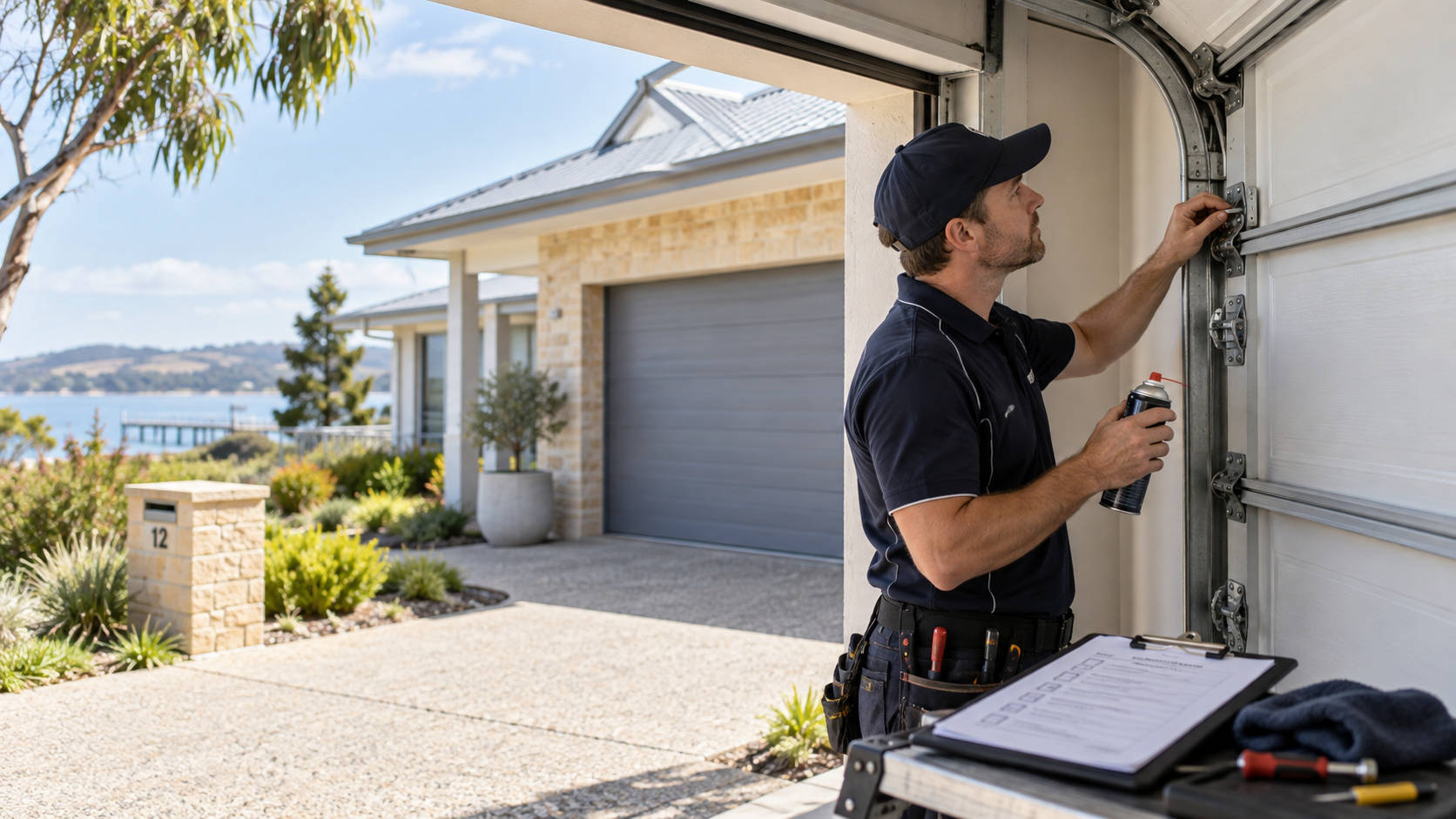
Apply a manufacturer-approved, non-grease lubricant to the rollers, hinges, and drive components at regular intervals. Proper lubrication reduces friction and helps prevent dust and debris from sticking to the parts. It also helps the motor work with less strain during each cycle.
Check the Door Balance and Spring Tension
The springs help carry most of the door’s weight, which means the motor doesn’t have to do all the heavy lifting.
If the door suddenly feels heavier than usual or slams shut when closing, the spring tension may be off. Since these springs hold a lot of stored energy, it’s safer to have a professional technician handle adjustments.
Run Regular Visual Checks
Take a few minutes every now and then to look over the door system.
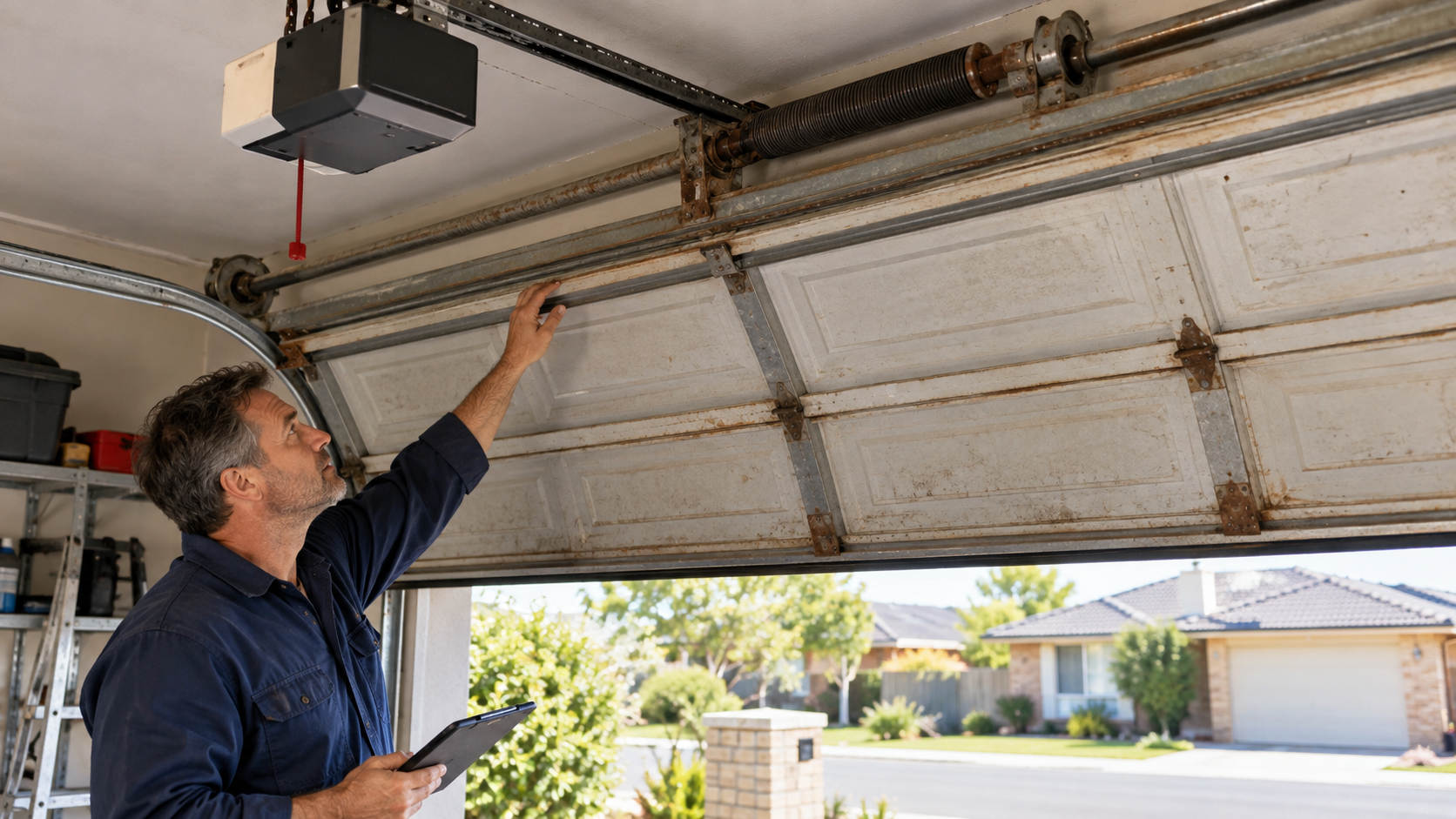
Check the tracks, rollers, hinges, and brackets for rust, loose hardware, or unusual wear. Listen for grinding or squeaking sounds while the door operates.
Catching small issues early prevents larger commercial garage door motor repair problems later.
Don’t Wait for the Door to Stop Working
Commercial door motors rarely get much attention, but they keep a lot of day-to-day operations moving. Every delivery, staff entry, and secure closing at the end of the day depends on the motor doing its job.
If your commercial door has started making strange noises, moving more slowly than usual, or refusing to cooperate, it’s a good time to get it checked. Filip’s Garage Doors provides professional commercial door motor repairs, servicing, and maintenance to keep your doors operating safely and reliably.
Get in touch with our team today, and we’ll help get everything up and running again.