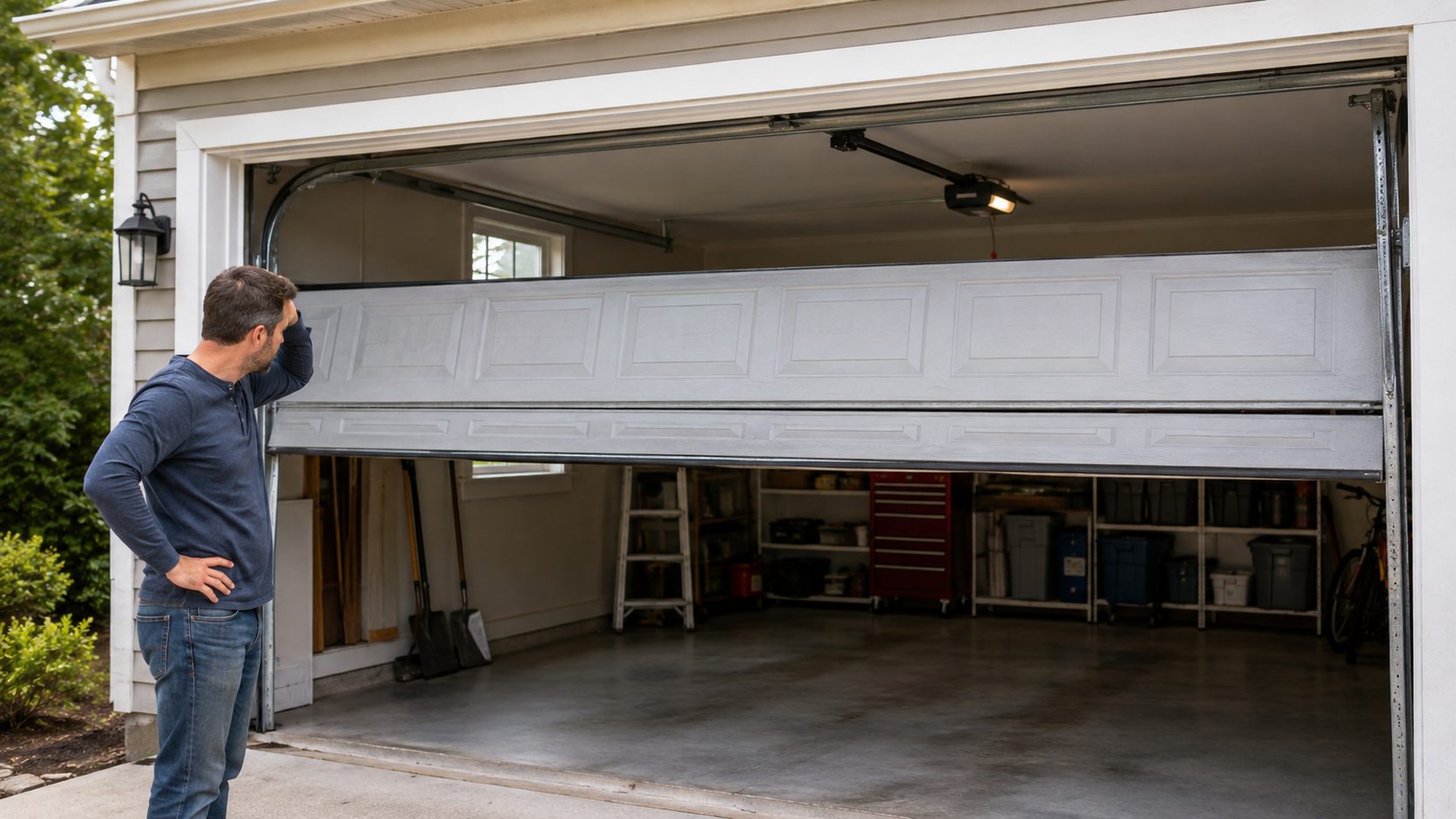
Ever wondered about the journey your garage door embarks upon from the factory to its spot guarding your car and tools? Let’s dive into the fascinating lifecycle of a garage door. Understanding this journey isn’t just for curiosity; it can help you maintain your garage door, prolong its life, and ensure it keeps serving you well.
The Birth of a Garage Door: Manufacturing
The first stop on our journey is the manufacturing process. It starts with the selection of materials. Garage doors are commonly made out of aluminium, steel, or wood. Each material offers different benefits and levels of durability. High-quality doors made from robust materials like steel and aluminium are engineered to last up to two decades or more with the right care.
Once the materials are gathered, they’re shaped and assembled into your future garage door. This process involves cutting, bending, and assembling panels, adding insulation if needed, and applying protective coatings to safeguard against the elements.
From Factory to Home: Delivery and Installation
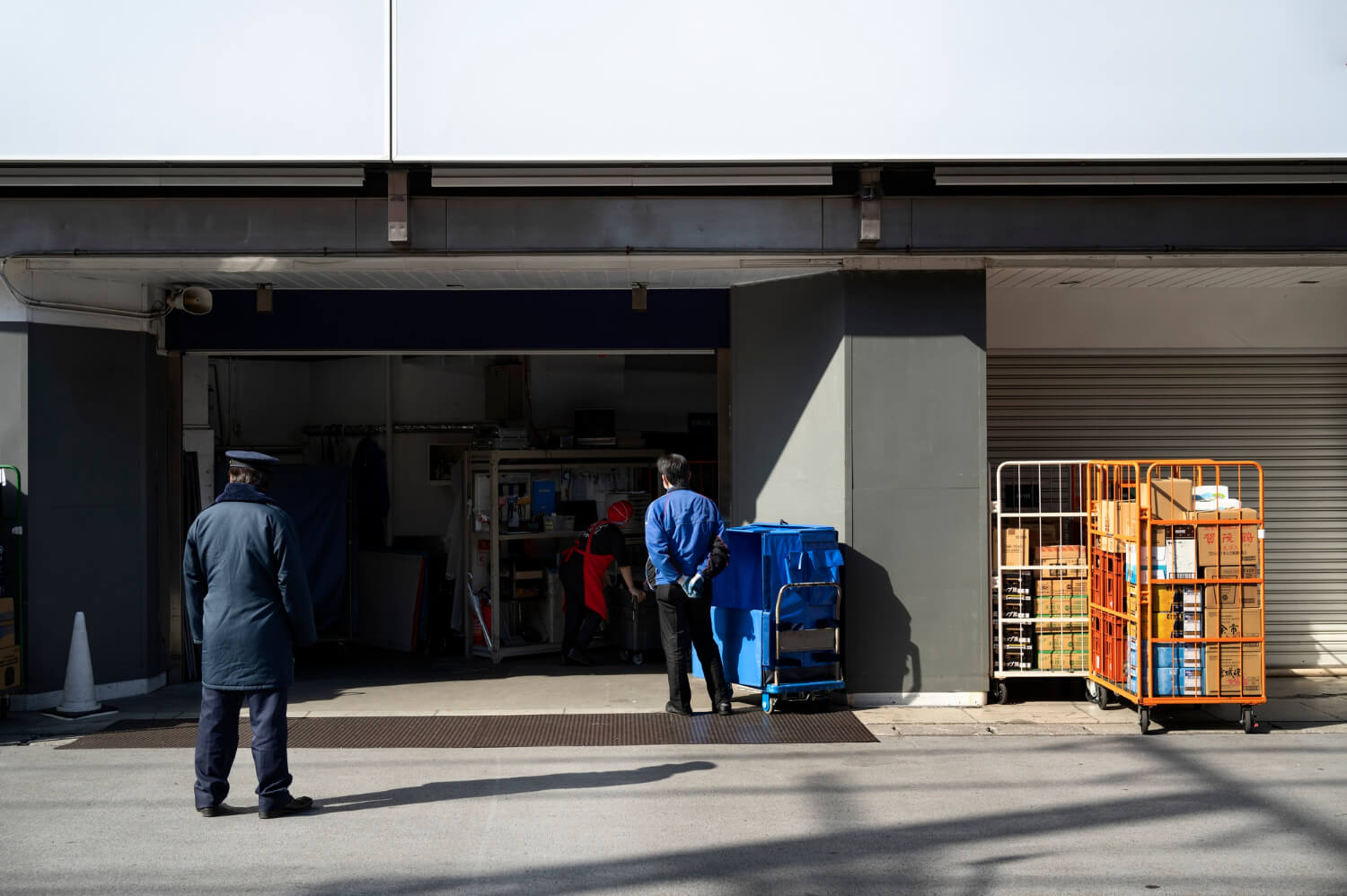
With manufacturing complete, the garage door is packed and shipped to its new home. This transportation step might seem straightforward, but careful handling is crucial to avoid any dings or damage en route.
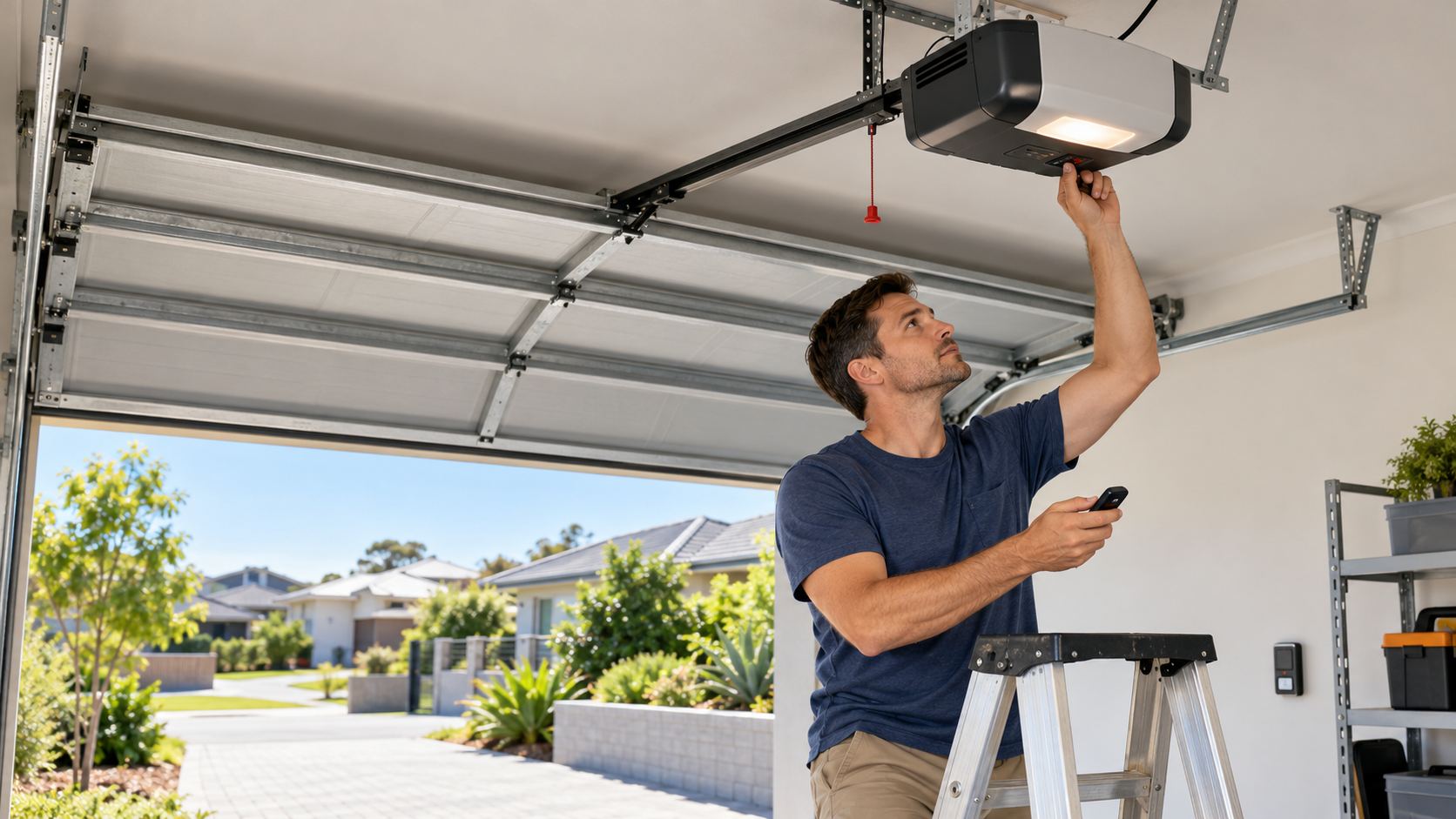
Upon arrival, installation is the next pivotal step. Professional installers ensure the door is properly balanced, the tracks are aligned, and the opener is functioning correctly. Installation doesn’t just impact initial performance; it’s the foundation for a garage door’s long-term durability.
The Life of a Garage Door: Daily Use and Maintenance
Once your garage door is installed, it becomes a daily workhorse. The typical young family with a couple of teens might find the door in regular use – that morning school run, then footy training drop-offs, and maybe even a mid-day outing for the dog.
This frequency of use contributes substantially to wear and tear. The garage door’s torsion springs, which bear the brunt of lifting and lowering, are usually rated for a certain number of cycles (one complete lift and lower of the door is one cycle). For an average family, using the door twice daily will see springs lasting 13 to 14 years. Of course, frequent professional maintenance can extend even this life span significantly.
Maintenance: The Key to Longevity
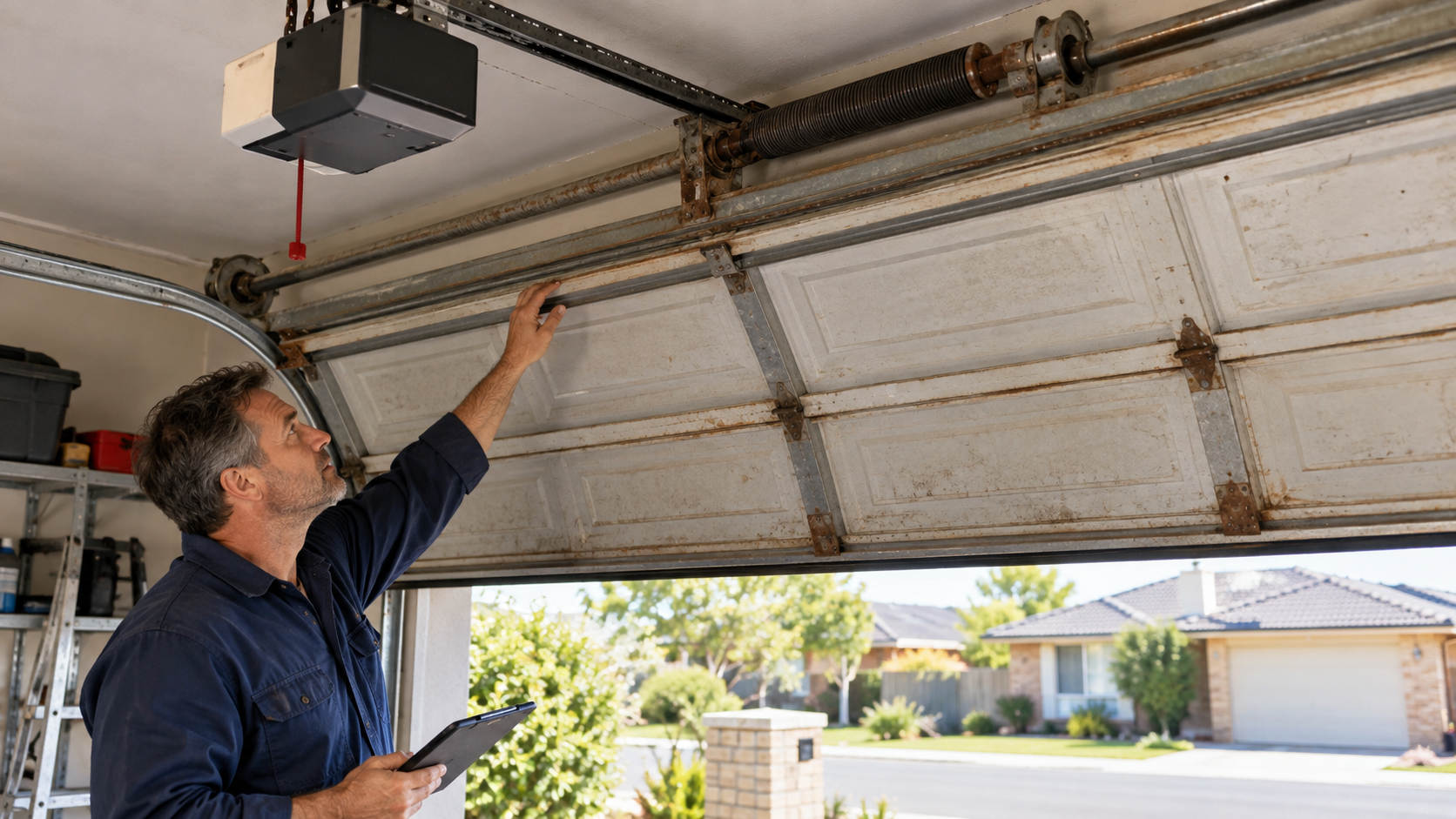
To keep your garage door in top shape, regular maintenance is essential. A bit of scheduled love and care does wonders for its lifespan. Annual inspections to look out for rust, dents, or strange noises can nip issues in the bud before they grow into expensive problems.
Here’s what should be on your annual to-do list:
- Visual & Sound Check: Watch the door open and close to spot any jerks or misalignments, and listen for creaky or grinding noises.
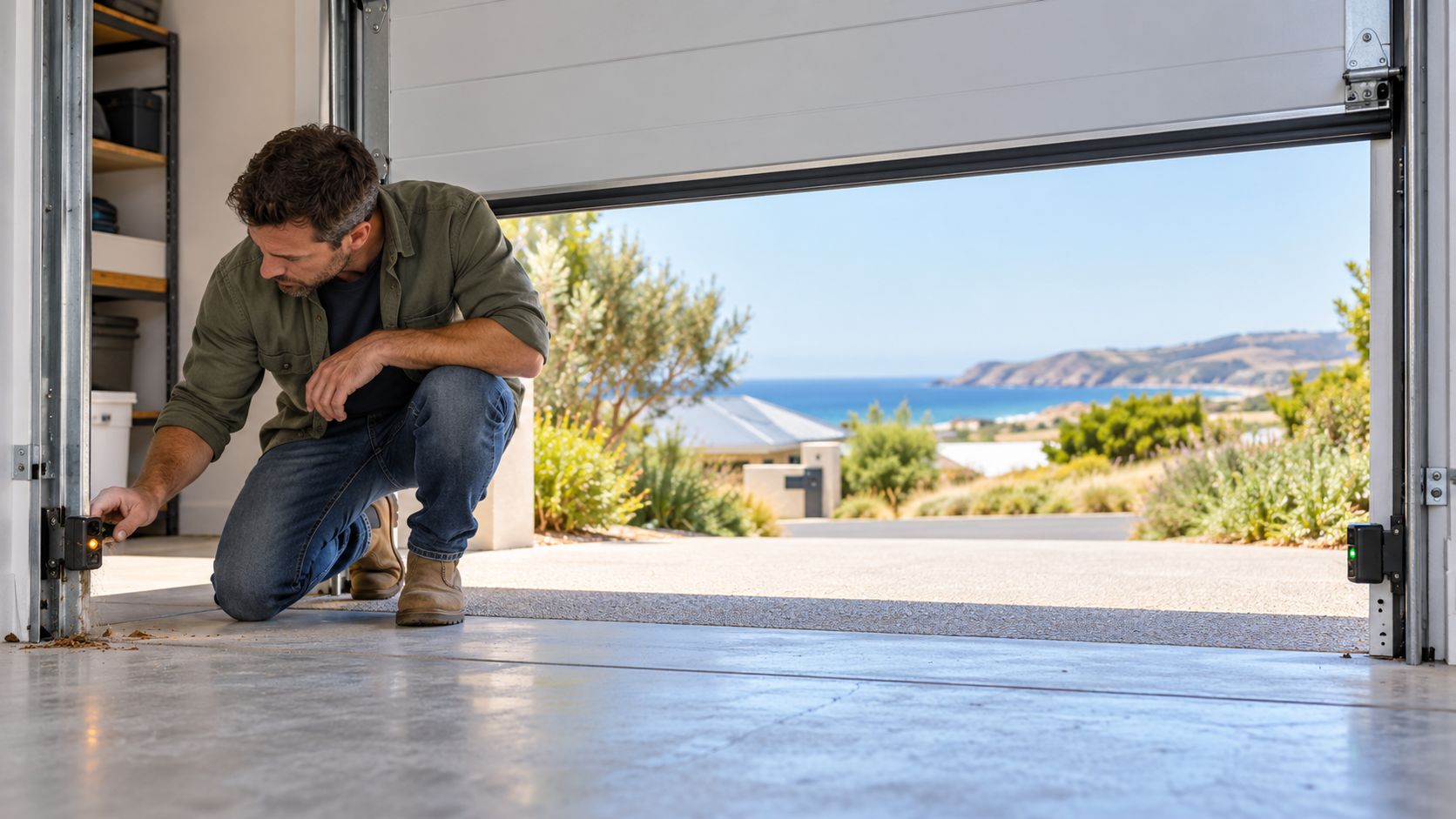
- Cleaning: Hose down the door occasionally to remove dirt and grime. Wipe the photo sensors with a clean cloth to keep them functioning correctly and dirt-free.
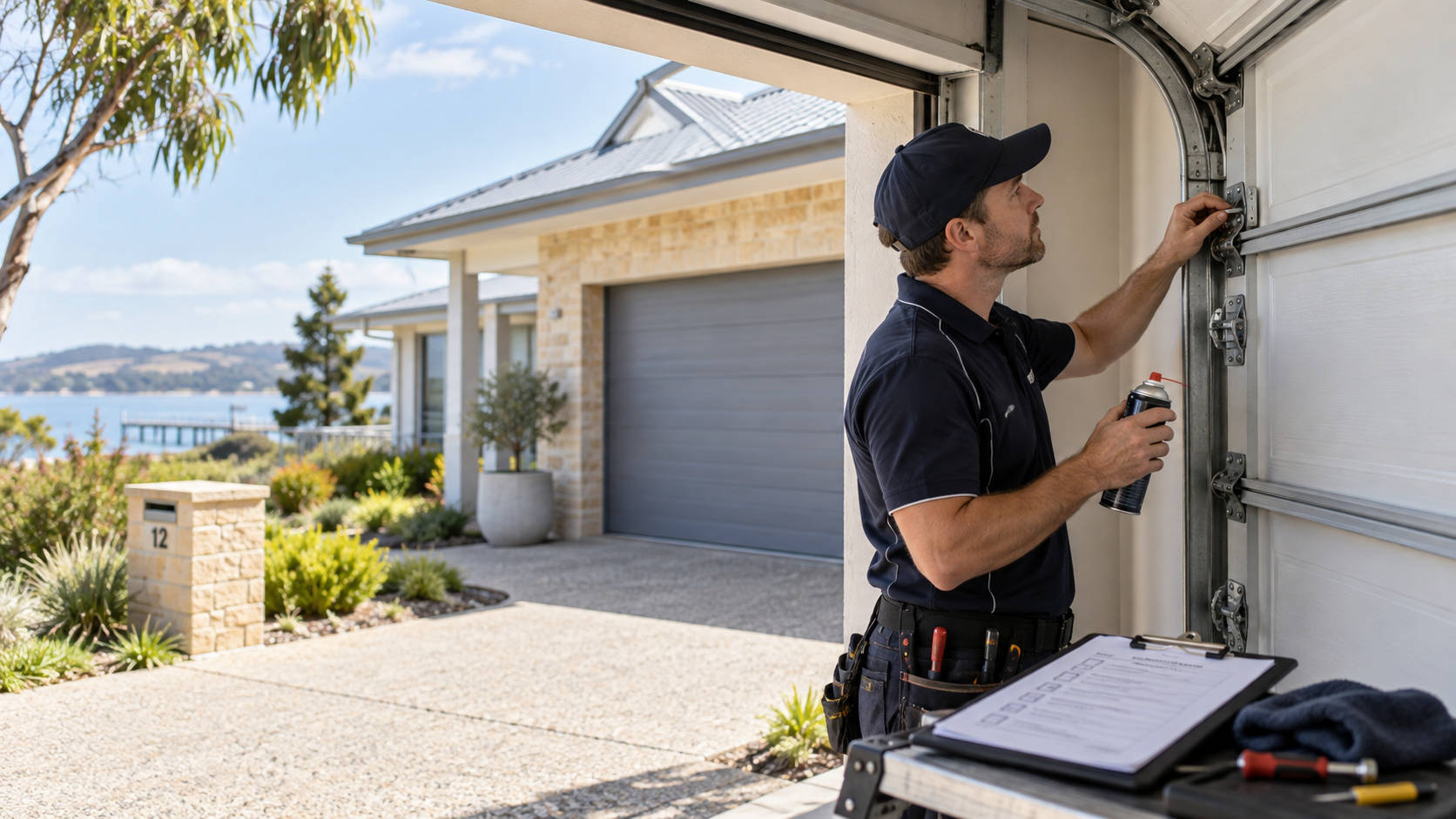
- Lubrication: Use a silicone-based lubricant on all moving parts, including springs, tracks, and rollers, ensuring everything is running smoothly.
- Spring Maintenance: Keep an eye on the cycle count for springs and replace them if you notice significant wear. A broken spring can render the door immobile.
Environmental Impact: Weather and Its Effects
Another factor that can play a role in the lifecycle of your garage door is Mother Nature herself. Living in South Australia, where the weather can range from blazing hot to chilly, keeping your door in its best form requires some extra vigilance.
Regularly inspect for any weather-related damage, especially if your area just went through a significant storm or flood. Extreme temperatures can warp materials over time, so it’s wise to approach preemptive inspections with the changing seasons.
Signs It’s Time for a Change
No matter how well you maintain your garage door, there comes a time when it might need replacing. Look for these signs:
- Frequent Want of Repairs: If repairs are becoming quarterly or more regular, it’s probably more cost-effective to replace.
- Visible Damage: Large cracks, rust spots, and dents that affect operation or appearance are blaring indicators.
- Loud Noises: If the garage starts sounding like a haunted house, even after lubrication and parts replacements, consider shopping around.
Summing Up Your Door’s Journey
In conclusion, understanding your garage door’s lifecycle, from the factory to its service life, helps ensure it remains an asset rather than a headache. Stay savvy with regular inspections and maintenance, and enjoy the peace of mind that your garage door is strong, reliable, and ready to perform its role for years to come.
So next time you’re pulling up the driveway or heading out for a morning surf, you’ll appreciate the journey and craftsmanship that brought it there.