Living in South Australia, I know first-hand how stimulating – and sometimes downright frustrating – it can be to work with a narrow or sloped driveway. For many of us gents and ladies in our 30s to 50s, limited space doesn’t just challenge our parking skills but also influences garage door choices. Let’s have a gander at some smart options and clever designs to make life a bit easier and transform that tricky driveway into something both functional and good-looking.
Understanding the Challenges of Narrow or Sloped Driveways
The Importance of Slope
Now, the slope of your driveway isn’t just a game of chance. It plays a critical role in both safety and erosion prevention. Most places won’t let you go over a 15% gradient – after all, nobody enjoys sliding down an icy driveway or having no say in the direction their water runoff takes. Use textured surfaces like interlocking pavers to keep things grippy, and aim for a 10% slope or less to tick those safety boxes. These choices set the stage for picking the right style of garage door that functions smoothly on an incline.
Width Matters
Nobody likes a squeeze, especially not your car. Ideally, if you’re dealing with a narrow or sloped layout, you’ll want your driveway to be no less than 3.0 – 3.6 metres wide for a single-car path. But even small adjustments can make a big difference. Extend that entryway by another couple of feet if you can. Trust me, every centimetre counts when it comes to smoothing out those turns and preventing oversteering into the garage wall!
Perfect Garage Door Types for Narrow or Sloped Driveways
Sectional Garage Doors
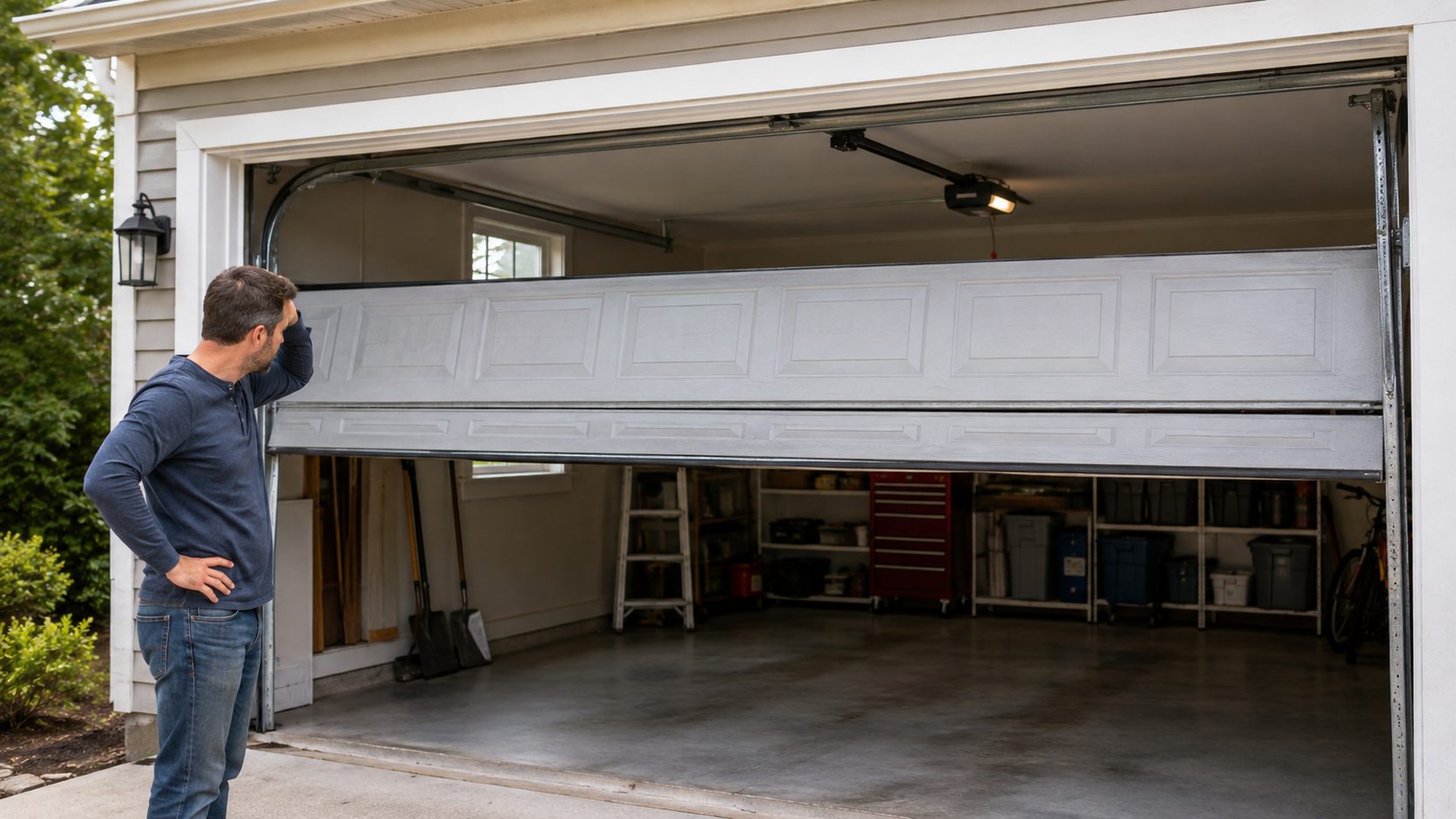
Alright, first on our garage door list are the sectional designs. These doors roll right up into the ceiling. This setup is cracking for smaller spaces, as it completely disappears overhead without needing clearance at the sides or in front. So, if you’re dealing with a narrower driveway or a steep slope, you needn’t worry about your garage door jutting out into the open space. Just check your garage’s headroom. It should be tall enough to accommodate the door panels rolling up and back.
Roller Doors
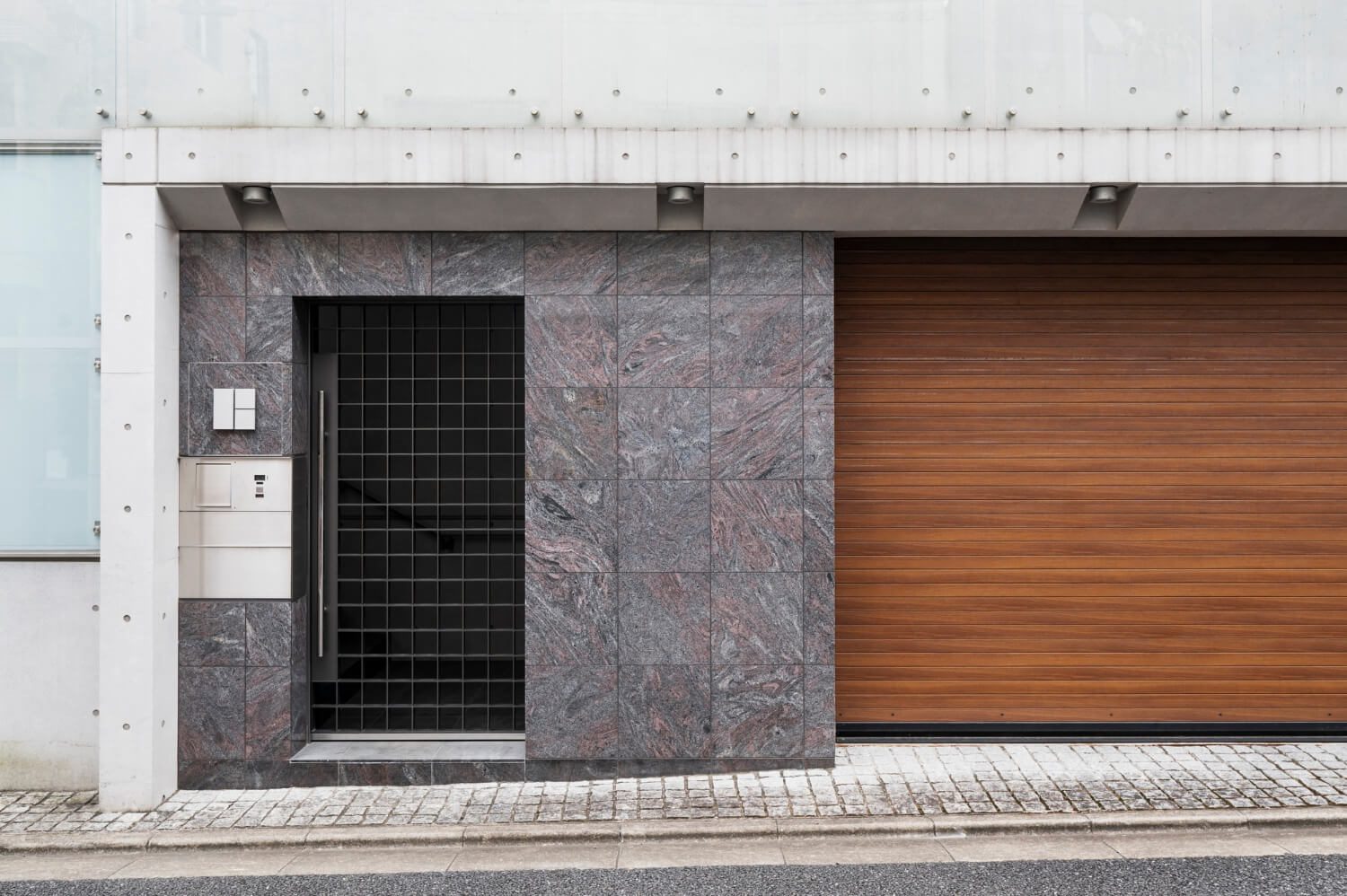
Next up are roller doors. These are a top choice for narrow layouts because they roll neatly into a compact cylinder above the entryway. There’s no need to modify your driveway or spend a fortune making space for door swing arcs. With a wide range of styles, they’re practical and save heaps of space. They work particularly well on driveways that rise sharply up to the garage.
Tilt Doors
Your more traditional tilt doors swing out a bit, so take that into account if you’re already short on runways. But they can be a spot-on option if you’ve got some extra space for that outward swing. They boast a classic look and, when designed with modern touches, can even add a bit of old-school charm blended with contemporary functionality. Just remember these work best if your slope allows for a bit of extra clearance.
Smart Design Solutions for Narrow or Sloped Driveways
Turnaround Areas and Strategic Entryways
If space allows, consider slip lanes on your property. Adjusting the layout with turnaround spaces like the “T-shape” or “Hammerhead” can truly change the game. Strategic entryways that flare out at the side by a metre or two make those turns and manoeuvres much easier. On a narrow driveway, every bit of help counts.
Leveling Practices
Get familiar with levelling techniques to make the approach to your garage smoother and reduce bumper risks at the threshold. Keeping the slope within the last 6 metres to no more than 7% not only saves your car’s underside but ensures you can install your chosen garage door hassle-free.
Base Level and Drainage
When laying down a sloped driveway, have a go at grading your land towards a lower inside corner. This method of shaping helps keep water at bay and prevents erosion, allowing your garage to stand the test of time without being undermined by nature’s antics.
Materials and Construction Tips
Interlocking Pavers
Choosing the right material can amplify the aesthetic and functional aspects of your driveway. Block paving, especially interlocking pavers, not only looks fab but also helps with drainage. They come in a variety of patterns and don’t mind a car driving over them daily. Plus, if a few pavers get damaged, replacing them is easy as.
Textured Concrete
For safety in the wet, textured concrete is a sound option. It gives you extra grip and is more forgiving in icy conditions. It’s simple, durable, and blends well with many Aussie home styles.
Compliance and Safety in Garage Door Selection
Regulatory Compliance
When redoing your driveway or installing a new garage door, check with your local council’s building codes first. Most places are pretty strict about dimensions, slopes, and water drainage solutions. Meeting these guidelines will keep you in their good books and ensure emergency vehicle access remains unhindered should it be needed.
Safety First
Don’t ignore those extra measures that take your driveway from just functional to family-friendly safe. Install LED lights on motion sensors that light up the way when it’s dark. Incorporate textured surfaces to prevent slipping. And keep the driveway clear of obstructions; good visibility is a key prevention tool when it comes to accidents.
Final Thoughts
Tackling a narrow or sloped driveway does pose its own set of challenges, but with the right garage door and a bit of savvy design, it’s more than possible to maximise both your space and style. It’s about finding the perfect balance of function, compliance, and aesthetics. Remember, every driveway can be reinvented to work better for you and your vehicle. It’s all about planning and strategically using the space available. Happy planning, mates!