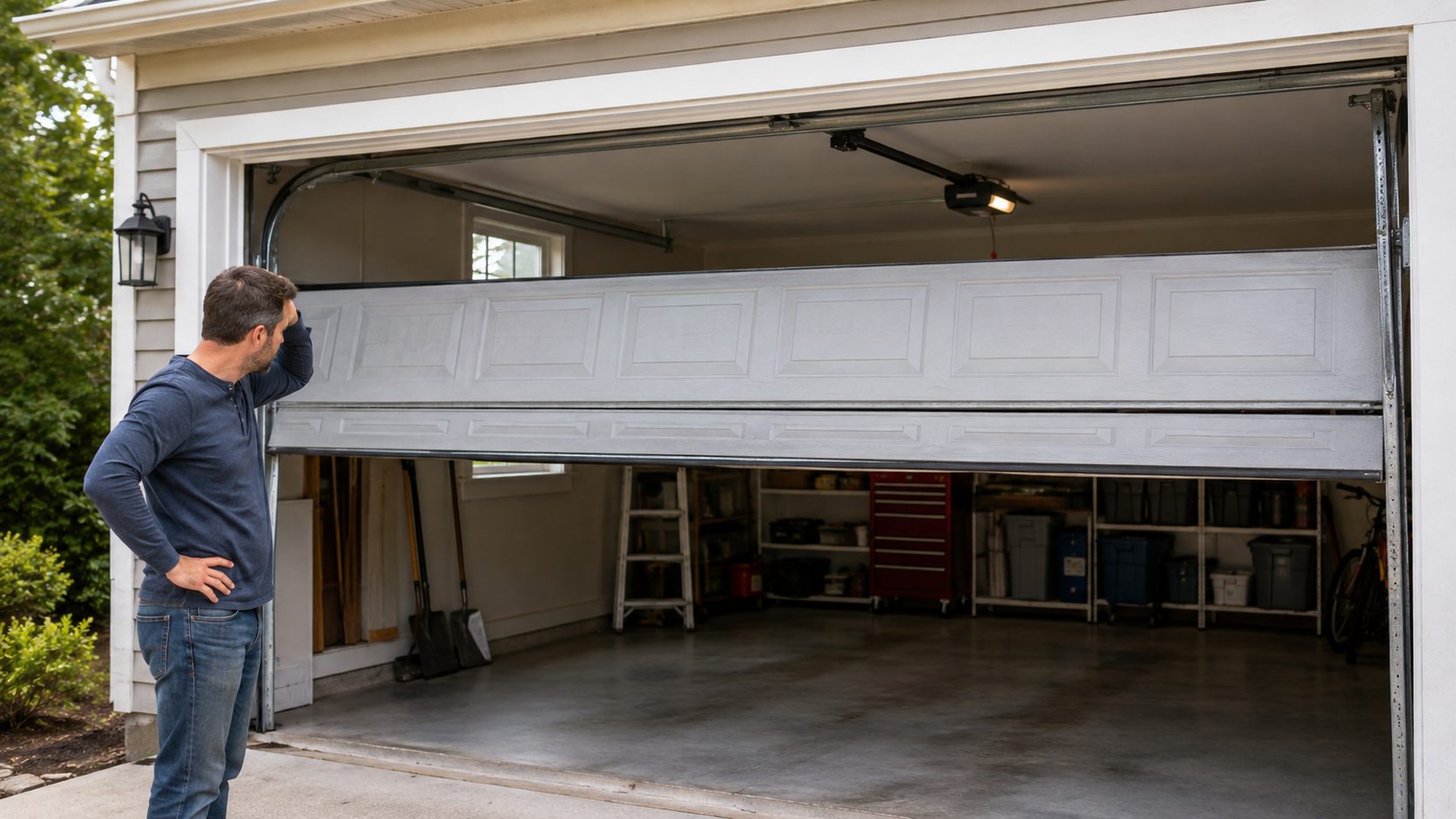

G’day mates! When it comes to protecting your home, especially in good old South Australia, it’s easy to overlook the humble garage door. But, when it grinds to a halt or suffers from damage, the repair costs can knock a serious dent in your wallet. Understanding whether you need specific garage door insurance is vital in safeguarding your home and finances.
Understanding Garage Door Coverage Under Homeowners Insurance
Your garage door’s role in your home’s security and functionality is undeniable. But understanding how your homeowners insurance covers it can save you from unexpected surprises. Let’s dive into when you might be able to rely on your existing policy and when extra coverage might be a good idea.
What Is Typically Covered?
Generally, homeowners insurance includes your garage door under several circumstances, provided the misfortune falls within your policy’s defined perils.
Weather-Related Damage
Here in Australia, weather can be unpredictable. Fortunately, most homeowners insurance policies account for damage from natural elements like windstorms, hail, and lightning. But drive safe – if flooding is a concern, check out additional endorsements.
Fire Damage
Fire is a serious threat. Be it a spark from the barbecue or nearby bushfire, your insurance often covers damage from blazes, soot, and smoke affecting your garage door.
Break-ins and Vandalism
Heaven forbid, but break-ins and vandalism do happen. Any damage to your garage door from a home invasion or a spray-paint-wielding hooligan is often covered. Just remember to document the damage thoroughly.
Vehicle Damage
Whether it’s your own slip-up or a mate’s car taking an unintended turn, if a car takes out your door, your home policy should help cover repair costs. If someone else is at fault, their auto insurance steps in up to their coverage limits.
Exceptions and Exclusions
Not all hiccups with your garage door will relieve you of financial responsibility. Here’s a look at when the buck stops with you.
General Wear and Tear
Your garage door is a hard worker. But old creaks and squeaks from years of opening and closing usually aren’t covered. Stay ahead by keeping up with regular maintenance.
Intentional Damage
If damage is deliberate, irrespective of who’s behind it, your insurer draws the line and steps back. It’s all about the intent here, mate.
Poor Maintenance and Upkeep
No one likes being told what to do, but regular maintenance such as lubricating and tightening things up is crucial. Fail to polish up your garage door’s wellbeing, and the insurer might shy away from covering any disasters that follow negligence.
Natural Disasters
The harsh reality is, floods and quakes aren’t typically covered by standard policies. Mother Nature packs a punch, so consider separate policies if you want a safety net from her more untamed moods.
Understanding Your Insurance Policy
A solid understanding of your homeowners insurance policy helps keep unwelcome surprises to a minimum when something unexpected happens. Let’s spell out what’s important.
Coverage and Exclusions
Read through your policy documents. Determine if that garage door’s included under the general “dwelling” section or under a handyman’s gaze with a separate tag for garages.
Age and Condition
An aging door might push your luck, leaving you with more out-of-pocket expenses if the insurer tags it as wear and tear.
Type of Usage
If your garage is moonlighting as a workshop or a rental unit, your policy might see it differently. Business means different coverage rules, so check those fine lines.
Deductible and Premium Increase
Remember, there’s usually a deductible before your coverage takes the stage. And lodging a claim can lead to increased premiums, so weigh the benefits carefully.
Common Scenarios and How to Handle Them
Let’s look at some common scenarios you might face, and how best to negotiate them with your insurer.
Backing Into Your Garage Door
Admit it, accidents happen. If backing up results in a tangled mess, your homeowners insurance is your go-to, not your car insurance.
A Neighbour’s Car Meets Your Garage Door
If your neighbour’s Sunday drive concludes with a thud against your garage door, their insurance should take responsibility up to their limits.
Severe Weather Damage
Your garage door isn’t a spectator sport; check your policy for coverage specifics like wind and hail — essential with our Aussie climate variations. Don’t forget; flooding might need extra coverage.
Tips for Maintaining Your Garage Door
Prevention is better than a cure, as they say. Keep your garage operating smoothly with these handy tips.
Lubrication
Keep those springs and hinges singing with regular lubrication.
Tightening Bolts and Screws
Rattle and roll won’t keep your door in top shape—make sure everything’s fastened securely.
Cleaning
The garage door could use a bit of spring cleaning from time to time. Dust and grime can be silent villains that wreak havoc over time.
When to Replace Your Garage Door
At some point, you may need to draw a line and embrace the new.
Visible Damage
If your door shows signs of wear and tear beyond repair, like the battle scars from a car collision, consider replacement to avoid long-term issues.
Sagging, Cracking, or Rot
Sagging, cracking, or rot is another clear signal that you should consider a replacement. Your garage door should be sturdy as an emu.
Age
Even the toughest garage doors have an expiry date, pushing towards the 30-year mark. Replace before overuse prevails.
Conclusion
Your garage door does more than add curb appeal; it’s a critical feature that deserves proper insurance protection. So, understanding your homeowners insurance cover, maintaining your garage door, and being mindful of policy exclusions are all part of keeping your home safe and sound.
By following these guidelines and understanding your policy, you can ensure your garage door remains a well-guarded part of your family fortress. Protect your property, and remember, the key to lesser woes is staying informed and prepared.